
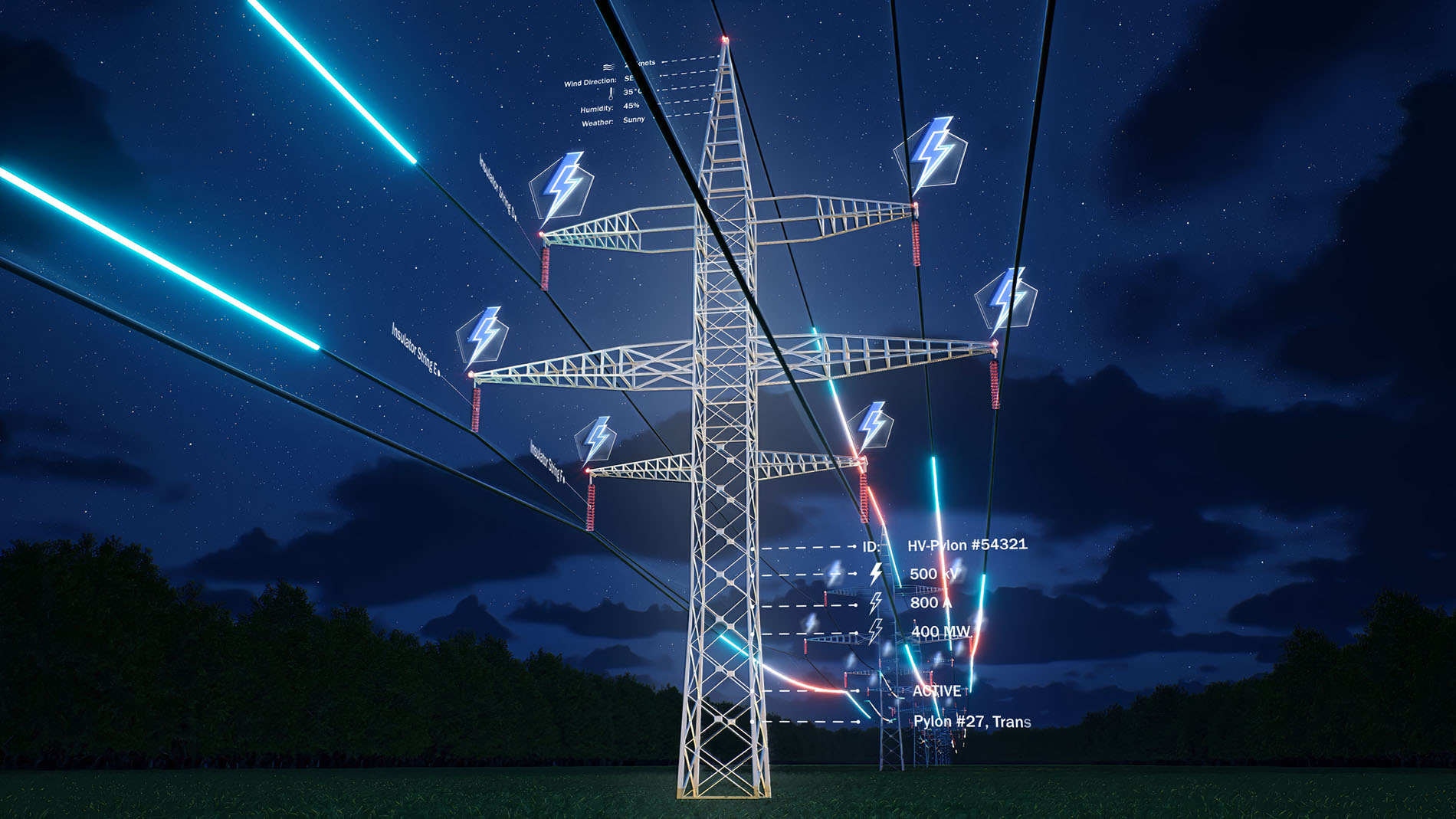
The energy landscape is undergoing a dramatic transformation. With global electricity demand increasing and the urgent need to transition to sustainable energy sources, traditional power plants are no longer the only viable solution. Enter Virtual Power Plants (VPPs)—an innovative, decentralized approach that leverages smart technology and distributed energy resources (DERs) to optimize energy distribution and enhance grid stability.
This article explores the fundamentals of VPPs, their operational framework, benefits, challenges, and their potential role in shaping the future of energy distribution worldwide.
What is a Virtual Power Plant (VPP)?
A Virtual Power Plant (VPP) is a cloud-based system that aggregates, manages, and optimizes various distributed energy resources (DERs) to function as a unified power-generating and distribution entity. Unlike conventional power plants that rely on large-scale centralized infrastructure, VPPs integrate numerous smaller energy sources, such as:
- Battery Energy Storage Systems (BESS)
- Solar Photovoltaic Panels
- Electric Vehicles and Vehicle-to-Grid Systems
- Smart Homes with Demand Response Systems
By intelligently balancing supply and demand, VPPs ensure a reliable power supply while optimizing energy efficiency and reducing reliance on fossil fuels … but how do they work?
How Do Virtual Power Plants Work?
VPPs operate through a network of interconnected DERs that communicate via an intelligent energy management system. The core functions of a VPP include:
- Real-time Demand Analysis: AI-driven systems predict and adjust energy distribution based on consumption patterns.
- Dynamic Power Adjustment: Surplus energy is redistributed or stored for future use.
- Energy Trading: Excess power can be sold on electricity markets, benefiting both consumers and grid operators.
- Grid Balancing: VPPs stabilize power fluctuations, mitigating risks of blackouts and load imbalances.
Through the integration of AI, machine learning, blockchain, and IoT technologies, VPPs enhance energy efficiency and grid resilience without the need for additional fossil-fuel-based power generation.
How Do VPPs Differ from Traditional Power Plants?
VPPs fundamentally redefine the way energy is produced, distributed, and consumed. Unlike traditional power plants, which rely on centralized infrastructure and fossil fuels, VPPs integrate decentralized energy resources to create a flexible, resilient, and sustainable energy system. The following table highlights the key differences between these two approaches:
| Feature | Traditional Power Plant | Virtual Power Plant (VPP) |
| Energy Source | Coal, gas, nuclear, hydro | Solar, wind, batteries, EVs |
| Power Generation | Large-scale, centralized | Small-scale, decentralized |
| Grid Integration | One-way power flow | Two-way energy exchange |
| Scalability | Expensive infrastructure | Easily scalable with DERs |
| Environmental Impact | High emissions | Low to zero emissions |
| Operational Flexibility | Rigid, base-load dependent | Real-time demand response |
The decentralized and flexible nature of VPPs makes them more adaptable to the evolving energy landscape, promoting sustainability and reducing dependency on large fossil-fuel-based power plants.
Key Benefits of Virtual Power Plants
VPPs offer a range of transformative advantages that address modern energy challenges. By combining advanced technology with decentralized energy resources, VPPs deliver solutions that enhance grid performance, enable renewable energy integration, and reduce costs for both producers and consumers. Below are some of the most impactful benefits:
1. Grid Stability & Demand Balancing
Traditional power grids rely on stable base-load generation, which can be disrupted by renewable energy’s intermittent nature. VPPs enhance grid stability by:
- Dynamically managing energy storage and distribution.
- Ensuring power availability even when solar or wind output fluctuates.
2. Renewable Energy Integration
As governments and industries push toward decarbonization, renewable energy adoption is critical. VPPs facilitate this transition by:
- Efficiently distributing surplus energy during peak production times.
- Storing excess power and redistributing it as needed.
3. Cost Reduction & Market Participation
VPPs empower consumers and businesses to participate in energy markets by:
- Buying electricity at lower rates and selling excess power when demand peaks.
- Reducing dependence on expensive, centralized infrastructure.
4. Decarbonization & Sustainability
By reducing reliance on fossil fuels, VPPs contribute to lowering carbon emissions. Governments worldwide are investing in VPP-driven systems to meet climate targets and accelerate the transition to clean energy.
Components of a Virtual Power Plant
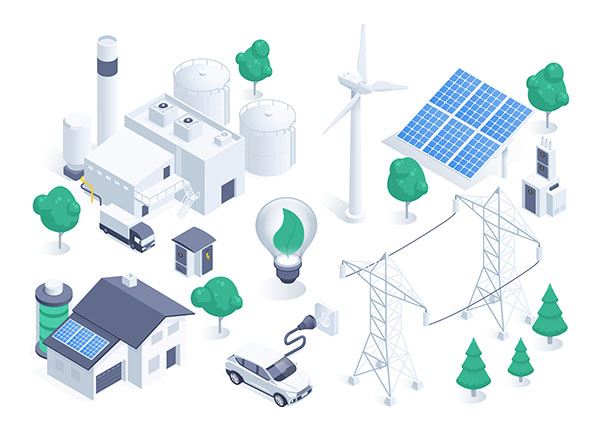
isometric vector illustration isolated on white background, wind generator and solar battery, green energy, electric car and solar powered house
Image source: iStock by Getty Images | Dilen_ua
VPPs integrate diverse DERs to create a seamless, intelligent power network. Key components include:
- Battery Energy Storage Systems (BESS) – Stores excess electricity for later use, essential for balancing renewable energy fluctuations.
- Solar Panels – Converts sunlight into electricity, enabling homes and businesses to generate their own power.
- Wind Turbines – Wind farms and small-scale turbines contribute renewable energy to VPP-controlled grids.
- Electric Vehicles (EVs) & Vehicle-to-Grid (V2G) Systems – EV batteries can store and supply energy back to the grid during peak demand periods.
- Smart Homes & Demand Response Systems – Automate electricity usage to enhance grid efficiency and reduce costs.
- Microgrids – Localized energy networks that can operate independently or connect to larger grids, ensuring resilience in case of outages.
How Virtual Power Plants Optimize Energy Distribution
VPPs are revolutionizing energy management by leveraging cutting-edge technologies to enhance efficiency, reliability, and sustainability. By integrating advanced tools like artificial intelligence, blockchain, and IoT-enabled systems, VPPs ensure that energy resources are utilized effectively and dynamically. Below are the key methods through which VPPs achieve optimized energy distribution::
1. AI & Predictive Analytics
AI-driven systems forecast energy demand and supply fluctuations, optimizing energy dispatch to reduce waste and enhance efficiency.
2. Smart Contracts & Blockchain
Blockchain technology enables automated, secure, and transparent energy trading between grid operators, businesses, and consumers.
3. Dynamic Load Management
VPPs shift energy loads dynamically, optimizing usage during peak hours to prevent congestion and blackouts.
4. Real-Time Monitoring & IoT Integration
IoT-enabled smart meters and sensors track energy flow, providing real-time insights to grid operators for instant adjustments.
Use Cases for VPPs in Different Sectors
VPPs demonstrate their value across various sectors, showcasing their adaptability and potential:
- Residential Applications
- Homeowners with solar panels and battery storage can generate and store energy, reducing electricity bills and selling excess energy back to the grid.
- Commercial and Industrial Benefits
- Businesses can optimize energy usage during peak hours, lowering operational costs while supporting grid stability by sharing surplus energy.
- Utility Providers
- Utilities can manage grid stability more effectively, integrating diverse energy resources and reducing reliance on fossil-fuel-based power plants.
- Electric Vehicle Fleets
- Fleet operators can leverage V2G systems to supply stored energy from EV batteries back to the grid during high-demand periods, creating new revenue streams.
Enter your ZIP Code and compare electricity rates
Historical Evolution of Virtual Power Plants
The concept of Virtual Power Plants has evolved over several decades as energy markets shifted from centralized generation toward distributed models. Key milestones include:
- 1990s: Early discussions of decentralized energy networks emerged as renewable energy sources gained traction.
- 2000s: Advancements in smart grid technologies enabled the integration of DERs into power networks.
- 2010s: The rise of AI and IoT enhanced VPP functionality, allowing real-time energy trading and grid optimization.
- 2020s-Present: Governments and energy companies worldwide are implementing VPPs at scale to meet decarbonization goals.
Economic and Environmental Impact of VPPs

Nature lover, close up of child hands hugging tree with copy space
Image source: iStock by Getty Images | Nastco
The adoption of VPPs has profound implications for both the economy and the environment. By enabling smarter energy management and integrating diverse energy sources, VPPs create opportunities to revolutionize energy systems at every level. The following highlights their economic and environmental benefits:
- Economic Growth
- The VPP sector drives job creation in renewable energy, technology development, and grid management roles. It also fosters innovation in energy storage and smart grid technologies.
- Cost Efficiency
- By reducing the need for expensive centralized infrastructure, VPPs enable cost savings for utilities, businesses, and consumers alike.
- Environmental Benefits
- VPPs reduce greenhouse gas emissions by integrating renewable energy sources and minimizing reliance on fossil fuels. This contributes significantly to achieving global climate goals.
- Energy Equity
- By enabling decentralized energy production, VPPs empower underserved communities to access reliable, affordable, and sustainable energy solutions.
Global Adoption & Leaders in VPP Implementation
The global energy sector is embracing VPPs as a transformative solution to meet the growing demand for sustainable and resilient power systems. Countries across the world are leveraging innovative policies, advanced technologies, and collaborative initiatives to integrate decentralized energy resources into their grids.
The following highlights some of the leading nations driving VPP adoption and the strategies shaping their success:
- United States: Increasing investment in VPP-friendly regulations and technologies to support decentralized energy
- Germany: Home to Next Kraftwerke, one of the world’s largest VPPs.
- Australia: The South Australian government launched a large-scale VPP initiative to integrate solar and battery storage into homes.
Government policies, market incentives, and technological advancements continue to drive VPP expansion worldwide.
Challenges & Future of Virtual Power Plants
While VPPs offer tremendous potential to revolutionize energy systems, their widespread implementation is not without obstacles. From regulatory hurdles to technological limitations, several challenges must be addressed to unlock their full potential. At the same time, advancements in battery technology, supportive policies, and the rise of smart cities paint a promising picture for the future of VPPs.
Challenges Facing VPPs
- Regulatory Barriers: Many countries still lack proper legal frameworks for decentralized energy trading.
- Cybersecurity Risks: Digital networks require strong security measures to prevent cyber threats.
- Storage Limitations: Current battery storage technology must advance to support widespread VPP adoption.
The Future Outlook
- Advancements in Battery Technology: Lithium-ion and solid-state battery improvements will enhance VPP efficiency.
- Government Policies & Support: Countries like Germany, the U.S., and Australia are pushing for VPP-friendly regulations.
- Smart Cities Integration: Future urban landscapes will incorporate VPPs for seamless energy management across homes, businesses, and transportation systems.
Conclusion: Why Virtual Power Plants Matter
VPPs are redefining the energy sector by enabling decentralized, resilient, and sustainable electricity distribution. With their ability to balance supply and demand, integrate renewable energy, and lower costs, they represent the future of smart energy systems.
By combining technological advancements with clean energy initiatives, VPPs are not just an alternative to traditional power plants—they are the blueprint for a sustainable, cost-efficient, and resilient global energy future.
References
- Virtual Power Plants: Revolutionizing Energy Management – Next Kraftwerke
https://www.next-kraftwerke.com/ - South Australia’s Virtual Power Plant Initiative – South Australian Government
https://www.sa.gov.au/ - The Future of Energy: Virtual Power Plants – U.S. Department of Energy
https://www.energy.gov/ - Renewable Energy and Smart Grids – International Renewable Energy Agency (IRENA)
https://www.irena.org/ - Green Energy Landing Page – JE
https://justenergy.com/blog/category/green-energy/ - Blockchain and IoT in Energy Management – Energy Web Foundation https://www.energyweb.org/
Brought to you by energysavings.com
All images licensed from Adobe Stock.