
Key Takeaways
- Flash flood warnings mean imminent danger, so you should act quickly by moving to higher ground or evacuating and avoiding floodwaters.
- Flash floods form quickly from heavy rainfall, blocked drainage, steep terrain, or dam failures, often leaving little time to prepare.
- Cities can help flash flood safety by improving warning systems, maintaining drainage infrastructure, and educating residents and visitors.
- In flood-prone areas, stay prepared and informed through weather alerts, emergency plans, and real-time updates from trusted sources.
Flash floods can be dangerous and fast. As their name implies, they often come with little warning and can put lives and property at risk. That’s why it’s important to understand what a flash flood warning means and what to do when one is issued.
Below, we’ll cover how flash floods form, how warnings are given, and what you can do to stay safe.
What Are the Causes of Flash Floods?
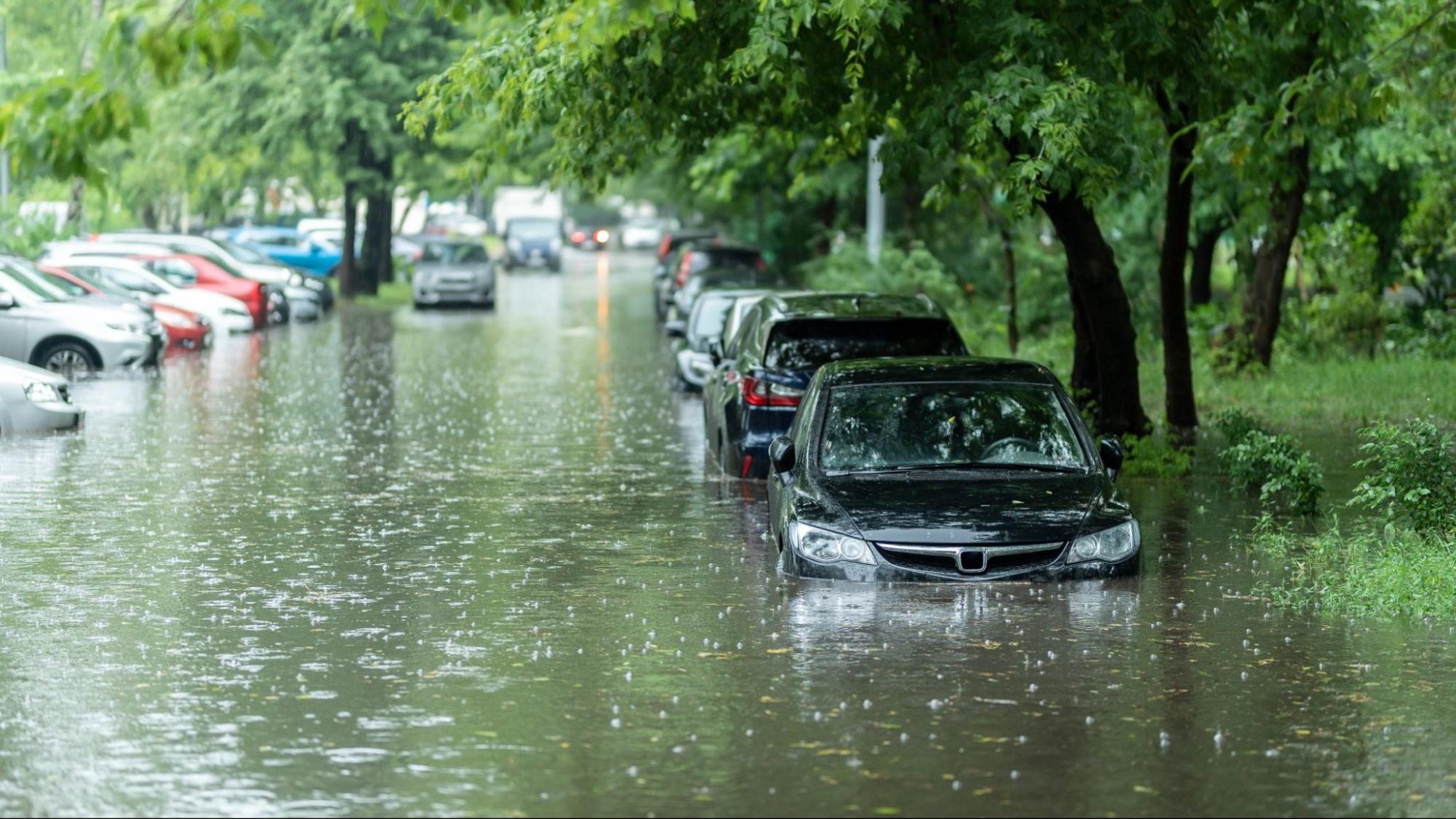
Flash floods happen when a large amount of water inundates an area in a short amount of time. This water often comes from heavy rainfall and thunderstorms, which are worsening due to climate change. However, it can also come from other sources, some of which aren’t natural occurrences.
When a flash flood occurs, the water flows so quickly that the ground has no time to soak it in. Instead, the water flows over land before stopping in low spots, streets, or valleys.
Some of the most common causes of flash floods include:
- Thunderstorms dropping multiple inches of precipitation quickly
- Blocked drainage systems or sewers
- Steep terrain where water runs off faster than it can be absorbed
- Sudden releases from hydrologic structures like dams or levees
The immediacy of a flash flood is why weather alerts from the National Weather Service (NWS) are so important. Depending on the amount of rain and how quickly the water builds up, a flash flood can form within minutes or hours.
Looking for a new electricity provider? Compare energy providers in Texas.
What Are the Key Indicators That Trigger a Flash Flood Warning?
A flash flood warning is issued when a flash flood is happening or is expected to occur soon. The National Weather Service (NWS) looks at many signs before issuing one.
Some of the key indicators the NWS uses for flash floods include:
- Very heavy rain in a short time
- Water rising quickly in rivers, streams, or creeks
- Flooding reported by local officials, weather spotters, or the public
- Changes in flood stage data from weather stations
If the water is moving fast and heading toward towns, emergency management teams are alerted immediately. Residents can find flash flood warnings on weather.gov, their local news, or through emergency alerts on their phones.
How Do Meteorologists Predict Flash Floods?
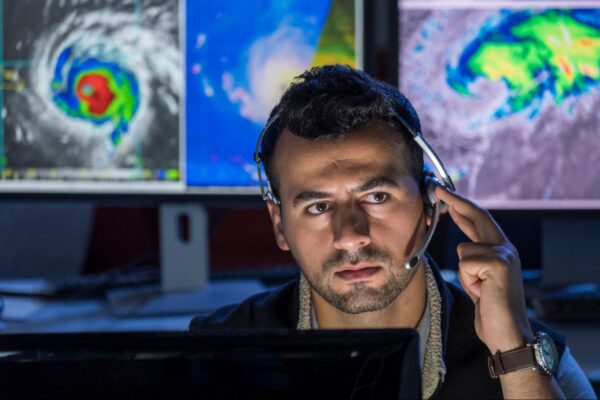
Predicting flash floods isn’t easy, but meteorologists use many tools to help. Some key tools they use include:
- Radar systems to track storms and rainfall
- Satellite images to watch cloud movements
- Rain gauges and weather stations to measure how much water is falling
- Flood modeling software and hydrologic data from river systems
- Real-time maps like OpenStreetMap to see how water may flow
The National Weather Service uses this data to send weather alerts if flooding is likely. They rely on the National Oceanic and Atmospheric Administration (NOAA), which operates the nation’s flood warning network.
Meteorologists also use computer models to predict future weather. These models tell them where precipitation will fall and how much flooding could occur. If there’s a considerable risk, they send out preparedness actions to warn people.
What Should People Do Immediately After Receiving a Flash Flood Warning?
When a flash flood warning is issued, it means danger is near. You need to act fast. Here’s what to do, according to Ready.gov:
- Move to higher ground right away, if instructed to.
- If told to evacuate, leave immediately and follow emergency management instructions.
- Stay out of floodwaters. Just 6 inches of water can knock you over.
- Don’t drive through flooded roads.
- Listen to emergency alert systems on your phone, radio, or weather.gov.
- Once you’re safe, check in with loved ones using social media or text if phone lines are busy.
A flood can move quickly and destroy roads, bridges, and homes, so take flash flood warnings seriously and respond immediately.
In addition to these tips, if you remain in your home, ensure your power outage preparedness plan is in place, as floods can disrupt electricity services.
How Can Cities and Communities Improve Early Warning Systems for Flash Floods?
Cities and towns must have strong early warning systems to help people stay safe. These systems need to be fast, reliable, and able to reach many people simultaneously.
Some ways to improve these systems include:
- Installing more weather stations and rain gauges
- Using updated apps that send out push notifications for flood warnings
- Educating the public with preparedness actions through schools, signs, and local events
- Building stronger flood control systems, such as levees, culverts, and drainage systems
- Partnering with the NWS and NOAA to share real-time data
- Creating multi-language alerts for all communities
Fewer people get hurt when everyone knows a flash flood is imminent and understands what to do during a flash flood warning.
Flash Flood Watch vs. Flash Flood Warning
It’s easy to confuse the terms “flash flood watch” and “flash flood warning.” However, understanding their differences is key, as they are distinct and require different actions.
A flash flood watch means conditions are right for flooding, but it hasn’t happened yet. You should stay alert and get ready.
A flash flood warning means that flooding is already happening or will very soon. You must take action now.
A quick way to remember is:
- Watch = Keep an eye on the situation
- Warning = Take action
You may also hear other terms like flood advisory or high surf warning in coastal areas, but watches and warnings are the main ones to pay attention to for flash floods.
Which Areas Are Most at Risk for Flash Flooding, and Why?
Flash floods can happen anywhere, but some areas are more at risk. These include:
- Areas near rivers: These areas often have levees to prevent flooding, but they can fail due to age or extreme conditions, resulting in a flash flood.
- Areas with poor drainage systems: Rural areas with poor drainage systems or crowded areas with overused or clogged drainage can quickly flood.
- Densely populated areas: Buildings, roadways, parking lots, and other urban structures can lead to rapid water runoff, which can cause severe flash flooding.
- Mountain valleys or steep slopes: These steep declines allow water to run off quickly before the ground can absorb it, causing flash flooding.
- Areas near dams: Dams can control flood waters but can also fail and release them, causing rapid flash flooding.
- Areas with fast-changing weather conditions: Ice dams often hold back excessive water, but when conditions warm quickly, the ice can melt and release flood waters.
States like Texas, New Jersey, and Louisiana often see flash floods due to changing terrain and sudden storms, such as those during the Texas hurricane season.
How Effective Are Flood Control Systems in Reducing Flash Flood Damage?
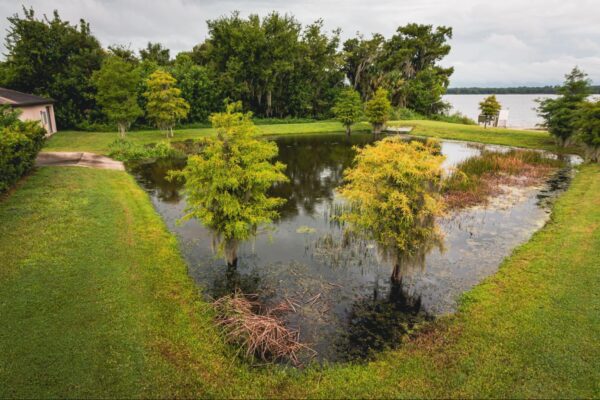
Flood control systems are helpful, but they aren’t perfect. Here’s how they work:
- Levees: These are human-made walls built along rivers to keep water inside. While they operate well in most cases, severe high waters and conditions or defects in the levees can cause them to break.
- Storm drains: These are above- and below-ground drains that carry water off streets during rain. They can be effective but require maintenance to keep leaves, trash, and other debris from clogging them.
- Retention basins: Sometimes called “retaining ponds,” these man-made structures hold extra water when it rains too much. They are generally as effective as their capacity. They can overflow in severe storms with heavy rainfall, resulting in flooding.
- Flood channels: These human-made channels guide water safely through cities. Like retention basins, they are as effective as their capacity and flow rate relative to the rainfall amount and rate. They can also be slowed by trash and debris, so they require periodic cleaning and maintenance.
These systems can lower the risk but can’t stop every flood. If a levee breaks or drains clog up, water can spread fast. That’s why flood warnings are still important even in areas with good systems in place.
What Are the Best Practices for Emergency Preparedness in Flash Flood-Prone Regions?
Being ready is the best way to stay safe. Some smart steps for people who live in areas prone to flash floods include:
- Sign up for weather alerts from your local weather agencies.
- Download apps for FEMA or your local emergency service.
- Have a family plan and know where to meet.
- Pack an emergency bag with food, water, a flashlight, and first aid.
- Keep important papers in a waterproof folder.
- Know the fastest way to higher ground.
- Practice your plan once a year.
- Stay updated on weather forecasts at weather.gov or via local news.
Prepared people are safer people. Don’t wait until the last second to act. For comprehensive storm readiness, consider these tips on preparing for a hurricane, which also apply to flash flood scenarios.
How Can Individuals and Businesses Protect Their Property from Flash Flood Damage?
There are ways to protect your home or business before a flood hits. Try these tips:
- Seal basements, and use flood barriers around doors.
- Install a sump pump to remove water quickly.
- Keep gutters and drainage systems clear.
- Elevate electrical systems above the 100-year flood level.
- Store valuables on high shelves or upper floors.
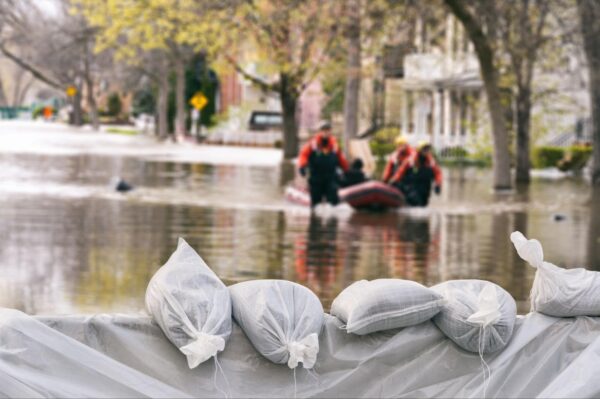
- Use sandbags if a flood is coming.
- Buy flood insurance, especially if you live in a high-risk area.
- Keep a copy of your insurance info in a dry place.
- Businesses should also back up data on a secure cloud server and create a plan to protect equipment and staff.
Flash Floods Can Be Dangerous, so Take Flash Flood Warnings Seriously
Flash floods move fast and can be deadly. But with the right tools, plans, and knowledge, you can stay safe. Pay attention to weather forecasts, sign up for emergency alerts, and don’t ignore flash flood warnings when they come. They’re there to protect you.
Visit trusted local sites, follow updates from the National Weather Service, and stay alert on social media for additional details. Whether you’re a homeowner, business owner, or just passing through an area, know where higher ground is, and don’t take chances with floodwaters.
Brought to you by energysavings.com
All images licensed from Adobe Stock.