
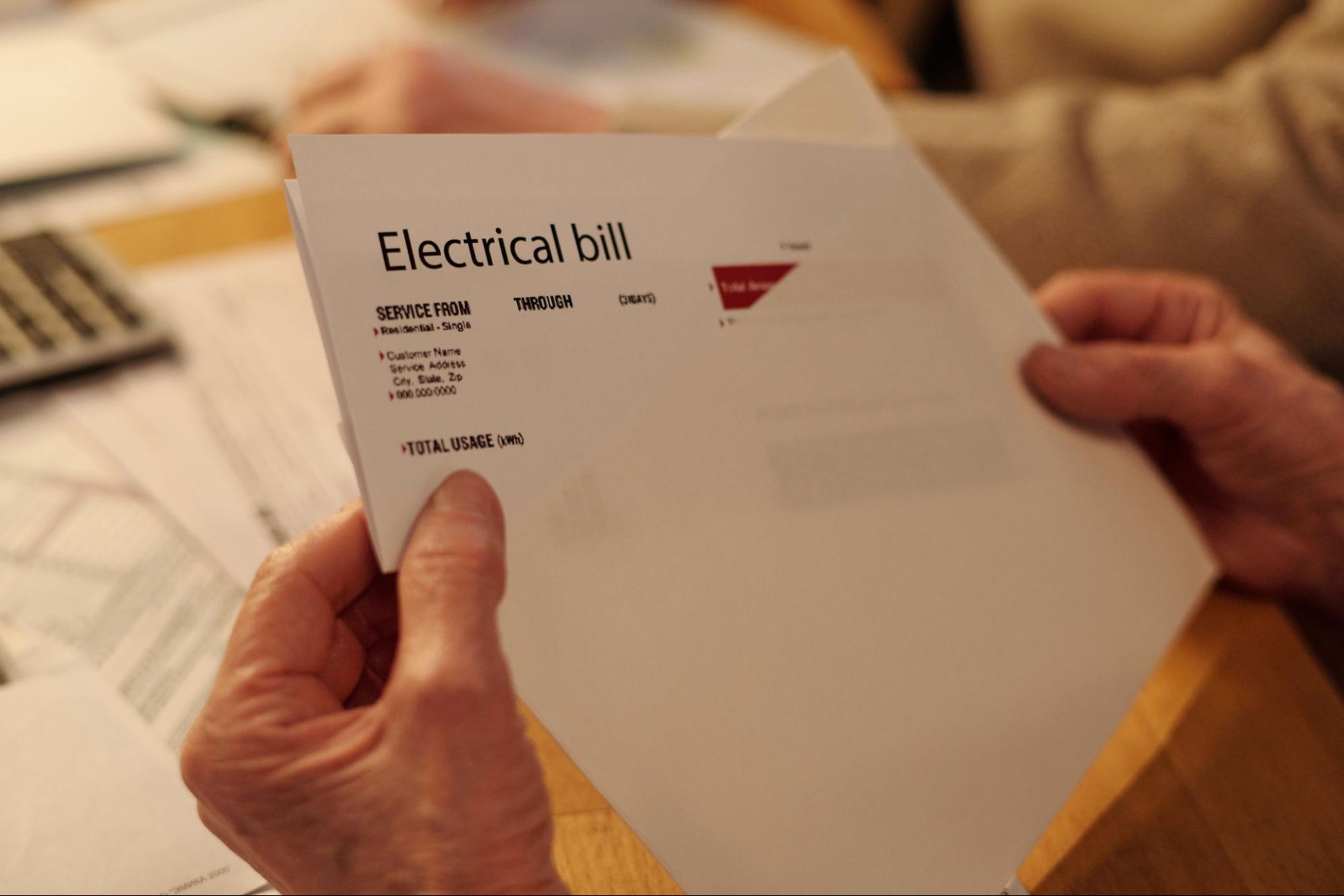
If you’ve ever wondered what “TDU Delivery Charges” on your Texas electricity bill mean, you’re not alone. These fees are one of the most common sources of confusion for energy customers, especially those new to Texas’s deregulated market.
Despite sounding complex, TDU charges simply cover the cost of delivering power safely and reliably to your home. They fund the upkeep of poles, wires, and meters that make electricity service possible for millions of Texans.
Understanding these delivery fees doesn’t just help you read your bill; it can also make it easier to compare electricity plans, estimate your real monthly costs, and avoid surprises when prices or usage change seasonally.
What Are TDU Charges in Texas?
TDU delivery charges (also known as Transmission and Distribution Utility charges) cover the cost of physically delivering electricity from the power plant to your home. These fees cover the maintenance of poles, wires, meters, and substations, as well as the costs of service crews who restore power after storms or outages.
Unlike energy supply rates, which you choose through your retail electric provider, utility delivery charges in Texas are standardized and regulated by the Public Utility Commission of Texas (PUCT).
Every Texas household pays these charges based on the local TDU that serves their area, ensuring reliable service across the state’s electric grid. According to the U.S. Energy Information Administration (EIA), electricity delivered to customers in the U.S. must pass through both transmission and distribution systems. That means delivery and infrastructure costs are built into the process of getting power to your home.

Plans that Fit Your Needs
Whether you're at home or running a business, find electricity plans designed to fit your needs.
The Role of TDUs in Texas’s Deregulated Market
In Texas’ deregulated electricity market, Transmission and Distribution Utilities (TDUs) are responsible for getting power to your home or business. TDU responsibilities include:
- Maintain poles, power lines, transformers, and meters
- Restore power after storms and outages
- Upgrade and expand grid infrastructure as demand grows
- Provide meter readings and connection services for new accounts
Each TDU serves a specific area – like Oncor in North Texas. Meanwhile, your retail electric provider is in charge of selling you a plan, setting the price and all the rest.
TDU Charges vs. Energy Supply Rates
TDU delivery charges cover the cost of delivering power, while energy supply rates reflect the price of the electricity itself. Your chosen retail electric provider sets supply rates and can vary by plan type, such as fixed or variable rates.
TDU fees, on the other hand, are non-negotiable and identical for every customer in the same service area, regardless of which provider you choose.

Why Are There TDU Fees on My Electricity Bill?
You’ll see TDU fees on every Texas electricity bill because they cover the cost of maintaining and running the system that delivers power to your home.
TDU charges help cover the cost of things like:
- Maintaining power lines
- Installing meters
- Managing outages
- Upgrading equipment to keep the grid reliable
TDUs don’t generate or sell electricity. They simply deliver it safely to your home or business.
These charges are set up so that everyone pays their fair share of maintaining the electric grid. Additionally, the PUCT oversees all this to make sure that it’s fair and dependable.
Texas TDUs
TDU delivery charges vary across Texas because each utility operates in a different region with unique infrastructure costs. The state’s main Transmission and Distribution Utilities include:
- Oncor – Serves the Dallas–Fort Worth area and parts of North and Central Texas
- CenterPoint Energy – Covers the greater Houston area and surrounding communities
- AEP Texas – Operates in the southern and western parts of the state
- TNMP (Texas-New Mexico Power) – Serves smaller cities and rural areas across Texas
Each utility charges both a fixed monthly customer fee and a usage-based rate per kilowatt-hour (kWh). Current rates are available on the PUCT’s official TDU Rate Tariffs page.
You Deserve Great Rate Options
We’re by your side helping you compare electric rates and plans.
How TDU Delivery Rates Are Set Up, Regulated, and Updated
TDU delivery rates undergo a review process before they appear on your electricity bill. Here’s how it works:
- The utility reviews its costs. Each Transmission and Distribution Utility looks at what it spends on maintaining equipment, restoring power, and upgrading infrastructure.
- A rate proposal is filed. The utility submits its rate request to the Public Utility Commission of Texas (PUCT), explaining why an update is needed.
- The PUCT reviews the details. The commission reviews the request to ensure the proposed rates are fair and accurately reflect the actual cost of delivering electricity.
- Rates are approved and applied. Once approved, the updated rates apply to all customers in that TDU’s service area, no matter which retail provider they use
Who Regulates TDU Charges?
TDU charges are regulated by the Public Utility Commission of Texas (PUCT). The PUCT reviews rate proposals submitted by each Transmission and Distribution Utility to confirm they a’re justified and transparent.
Utilities must provide documentation showing the actual costs of maintaining and improving the electric grid. Once approved, these regulated rates are applied evenly to all customers in that TDU’s service area, ensuring fairness and preventing utilities from overcharging consumers.
How Often Do Texas TDU Rates Change?
TDU delivery rates in Texas are typically updated twice a year, in March and September. These adjustments reflect changes in operating costs, infrastructure investments, or storm recovery expenses.
Utilities typically request updates after major storms, population growth, or infrastructure investments. These reviews make sure rates reflect current conditions rather than outdated costs from years past.
Can You Reduce Texas TDU Charges?
You can’t avoid TDU delivery charges because they’re required to maintain Texas’s electric grid. However, you can still manage your overall energy costs by understanding how these fees fit into your total bill.
Since TDU rates are fixed for your service area, the only part you can control is your energy usage and the plan you choose from your retail provider. Comparing rates, reducing consumption, and practicing energy efficiency can all help you lower your monthly total.

Tips to Lower Your Electricity Bill
Even though you can’t avoid TDU fees, there are several ways to keep your total electricity bill in check:
1. Choose a Fixed-Rate Plan: A fixed-rate plan locks in your electricity price per kilowatt-hour (kWh), protecting you from sudden market fluctuations. This can be especially helpful during Texas’s hot summers and winter cold snaps when demand peaks.
2. Track Your Energy Usage: Most Texas providers offer online dashboards or smart meter tools that show your hourly energy consumption. Identifying high-usage times helps you adjust your habits and avoid surprises on your bill.
3. Use Electricity Wisely: Run major appliances, such as dishwashers and washing machines, during off-peak hours when rates tend to be lower. Replacing old bulbs with LEDs and upgrading to Energy Star-certified appliances can also reduce long-term costs.
4. Seal and Insulate Your Home: Proper insulation and weatherstripping around doors and windows help maintain indoor temperatures more efficiently. You’ll need less energy to heat or cool your home, which lowers your overall consumption.
5. Maintain Your HVAC System: Change air filters regularly and schedule seasonal tune-ups to keep your system running efficiently. Heating and cooling typically account for nearly half of a home’s energy use, so small improvements can yield significant savings.
6. Unplug and Power Down: Electronics and chargers draw energy even when turned off. Use smart power strips or unplug devices when not in use to cut phantom power costs.
7. Shop Rates Seasonally: Energy rates often rise during peak-demand months. Comparing plans in spring or fall (when demand is lower) can help you secure better rates before prices increase.

We Are Texas Energy Experts
With 20+ years helping Texans find their perfect electricity plan, we can help you find yours.
Frequently Asked Questions About TDU Charges
What are TDU delivery charges in Texas?
TDU delivery charges are the fees you pay to your local utility for delivering electricity from the power grid to your home. These regulated costs cover the maintenance and operation of lines, poles, and meters, and they apply to every customer in that utility’s service area.
Can I choose my TDU provider?
No. Each Transmission and Distribution Utility serves a specific geographic region in Texas. Your TDU is automatically assigned based on your location, and all customers within that area pay the same regulated delivery rates.
Compare Texas Electricity Plans Using Energy Savings.
While you can’t control TDU delivery rates, you can decide how much you pay for electricity supply. Comparing plans from different retail providers is the best way to ensure you’re getting the right rate for your usage habits.
Visit EnergySavings.com to compare the best Texas electricity plans and get the best plan for your household.
Brought to you by energysavings.com
All images licensed from Adobe Stock.