- Smart meters eliminate the need for meter readings by utility companies and allow you to monitor your electricity use in real time.
- Some smart meters offer recommendations on decreasing your electricity consumption and lowering your power bill.
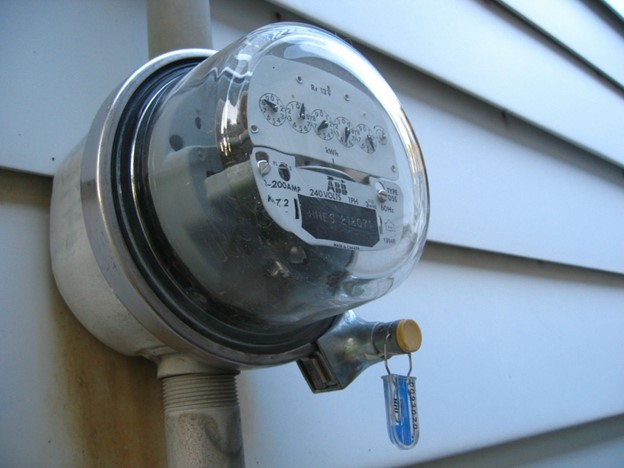
- Smart meters eliminate the need for traditional analog electric meters, which can sometimes be inaccurate and unreliable.
Smart meters have revolutionized — and will continue to evolve — how households manage energy consumption. These advanced devices provide insight into energy usage and play a critical role in related expenses.
Despite their growing popularity, smart meters remain mysterious to some consumers. Below, we’ll help you unravel their mystery, giving you the details you need to better understand them, such as their functionality, benefits, common misconceptions, and much more.
What Are Smart Meters, and How Do They Work?
Smart meters are modern Internet of Things (IoT) devices that replace traditional energy meters on homes and businesses. Because of their online connectivity, they allow two-way communication between the meter and the energy supplier.
Unlike older meters, which require the electricity company to manually take their readings, smart meters automatically send energy consumption data to the utility company. This helps make the billing process more efficient and eliminates the risk of human error when taking the readings.
Utility providers can use smart meters to measure electricity, gas, or water usage in real time, giving consumers detailed insights into their energy habits. Thanks to wireless communication technologies, smart meters ensure your energy use data is accurate and timely, a crucial need for effective energy management.
A smart meter includes three main components:
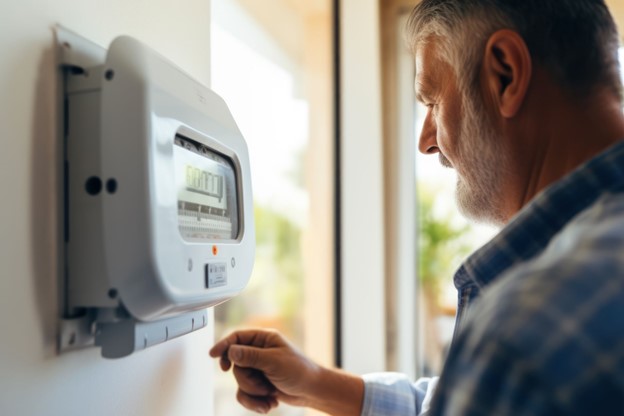
- Digital display: This component displays information on your real-time energy usage.
- Communication module: This is responsible for transmitting data to the utility company.
- Battery backup: This ensures the meter continues operating uninterrupted during a power outage or blackout.
Smart meters often include advanced features that enhance the user experience. For example, they allow you to use a mobile app or online portal to access energy consumption data, enabling you to monitor usage.
With this functionality and transparency, you can adjust your energy consumption habits and potentially reap significant savings on your energy bills. Some smart meters take the savings potential further and integrate with home automation systems. This allows for automated appliance control based on energy availability and pricing.
Smart meters can also be crucial in the proliferation and effectiveness of smart grids. Because they provide real-time energy-demand data, smart meters can help optimize energy distribution and management. This can help reduce waste and improve overall energy sector efficiency by allowing utilities to better predict demand, manage outages, and incorporate renewable energy sources.
Enter your ZIP Code and compare electricity rates
How Can Smart Meters Provide Real-Time Energy Usage Data?
Smart electric meters can relay real-time data, giving them a significant advantage over traditional meters. These meters allow you to see your energy consumption as it happens, allowing you to monitor your electricity usage patterns closely.
With a smart meter, you have access to real-time data via an online platform or mobile app, which gives you all the critical information in user-friendly dashboards. Having this information at your fingertips lets you track your energy consumption throughout the day, identify peak usage periods, and adjust your habits accordingly.
For example, suppose you notice that your household has energy usage spikes during on-peak hours when electricity costs the most per kilowatt-hour (kWh). In that case, you can shift certain activities, such as running the washing machine, to off-peak hours. This proactive approach to energy conservation reduces stress on the electricity grid during peak hours and can lead to significant savings on bills.
In What Ways Can Consumers Use Smart Meter Data to Identify Energy-Wasting Appliances?
Smart meter data can help you identify appliances consuming excessive energy. You can analyze electricity usage patterns on the dashboard and pinpoint which devices are the biggest culprits.
Some smart meters can help you discern energy usage by appliance type using machine learning. They can then pinpoint which appliances are drawing an excessive amount of power.
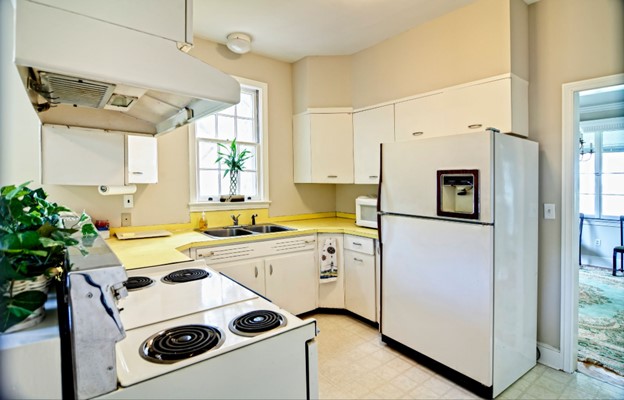
For example, a smart meter may help you learn your old refrigerator is drawing more power than expected. By having these consumption patterns pointed out to you, you can then decide whether replacing the inefficient appliance is appropriate. Since changing to an Energy Star appliance can save 20% to 50% on that appliance’s consumption, you can check usage trends in the smart meter to determine if the energy savings will offset the cost of buying the new appliance over time.
Other smart meter systems can measure consumption down to the appliance without relying on machine learning. Instead, these meters rely on smart plugs for appliance monitoring. These plugs give you insights specific to individual devices, so you get the consumption data you need to make informed decisions that reduce energy waste.
Can Smart Meters Help Shift Energy Usage to Off-Peak Times, and How Does That Save Money?
One of the key benefits of smart meters is they can encourage consumers to shift their energy usage to off-peak periods. Many utility providers use time-of-use pricing, where electricity costs vary based on demand. During peak consumption times, rates are typically higher. During off-peak hours, electricity demand and the cost can be as much as 50% cheaper than on-peak.
By studying the real-time data from a smart meter, you can adjust your usage habits to maximize off-peak energy use. For example, you can switch to running dishwashers or washing machines during off-peak hours, significantly lowering energy costs.
Shifting energy usage to off-peak hours has benefits beyond financial, as it can also have an environmental impact. By reducing energy demand during peak times, you help decrease the strain on power plants, which often rely on less efficient and more polluting “peaking plants” during high-demand periods.
Reducing consumption during this time will reduce the need for supplemental power from a “peaking plant” and lower greenhouse gas emissions.
What Features Do Smart Meters Offer for Tracking Energy Consumption Trends Over Time?
Smart meters are equipped with features that allow for detailed tracking of energy consumption trends over time. One of the most valuable aspects of this data is its long-term perspective, which helps consumers understand fluctuations in their usage based on seasonality or lifestyle changes.
Using a smart meter’s dashboards and reports, you can view your household’s energy usage information on a daily, weekly, or monthly basis. This historical data helps you see patterns that are less visible when only looking at short-term usage. These insights can help you make behavioral changes or invest in energy-efficient appliances.
Long-term trends can also help you set tangible energy goals. By understanding your previous electricity consumption, you can aim to reduce your usage by specific percentages, giving you a target to strive for when reducing your energy usage.
Enter your ZIP Code and compare electricity rates
How Can Smart Meters Facilitate Energy-Saving Tips and Personalized Recommendations for Households?
Many smart meter systems feature software designed to analyze your energy consumption and offer personalized energy-saving tips. The software tailors these recommendations to your household’s usage habits, making them highly relevant and effective.
For example, suppose your family consistently uses high amounts of energy during the time of day when energy prices are highest. In that case, you may receive suggestions to adjust your appliance use to align with off-peak rates. The software may also recommend upgrading to more efficient appliances if it notices your current appliances draw more energy than expected.
Some smart meter applications also offer seasonal tips, such as reminders to seal drafts in the winter or service your air conditioning system in the summer. This can help you tweak your energy consumption as the weather changes.
What Role Do Smart Meters Play in Enabling Demand Response Programs That Can Lower Bills?

Smart meters can be an integral part of demand response programs, which entice consumers to adjust their energy usage during high-demand periods. When properly executed, these programs can help maintain grid stability while saving consumers on their energy bills.
So, how do these systems work?
When grid demand spikes, utility companies can send alerts to smart meter users, encouraging them to reduce their energy consumption. You can participate by agreeing to temporarily lower your electricity usage, and the utility will repay you with lower rates or rebates.
These initiatives empower consumers to actively contribute to energy conservation efforts and foster collaboration between energy providers and users. Participating in a demand response program can offer financial incentives and allow you to support more sustainable energy delivery.
How Do Smart Meters Integrate With Smart Home Technologies to Enhance Energy Efficiency?
Smart meters can integrate seamlessly with smart home technologies, making it easier to maximize household energy efficiency. Integration with devices like smart thermostats, smart plugs, and home energy management systems enhances a smart meter’s ability to help you save on electricity.
For example, you can set your smart thermostat to adjust the heating or cooling settings based on data it receives from the smart meter, allowing you to optimize energy use based on real-time consumption. Because it’s all automated, you will need minimal effort after the smart meter installation and integration with the other smart devices in your home.
What Are Some Common Misconceptions About Smart Meters and Their Impact on Energy Costs?
Despite their growing popularity, several misconceptions about smart meters persist. Let’s review and dispel these myths one by one.
Misconception #1: They Increase Energy Bills
One common myth is that smart meters lead to higher energy bills. In fact, a smart meter’s effectiveness largely depends on your household’s behavior and how effectively you use the insights the meter provides you.
After installing a smart meter, you may see an increase in your electricity bill, but this isn’t any fault of the meter. Old analog electric meters can hang up or run slow, resulting in inaccurate readings by the meter readers. Because a smart meter is more accurate, you will no longer benefit from these glitches in analog meters.
Misconception #2: They Invade Your Privacy
Another misconception is these new meters are an invasion of privacy and pose a cybersecurity risk. While smart meters do collect data on energy usage, they do not provide information on individual activities within the home. The data collected is intended solely for monitoring consumption patterns to improve efficiency and provide cost savings.
Misconception #3: They Will Cause Widespread Power Outages
Some people also believe smart meters will cause widespread power outages or other disruptions in electric utilities. However, like all modern technology, smart meter manufacturers design them for optimal performance, and the utility companies using them perform regular maintenance to ensure their reliability. If anything, a full-on advanced metering infrastructure would likely improve grid and electric service reliability.
Smart Meters Can Lower Your Consumption and Improve Grid Reliability
Smart meters offer an unprecedented opportunity to effectively manage electricity use, reduce costs, and contribute to a more sustainable environment. By leveraging their features and insights, your household can become more energy-efficient and enjoy significant savings on its energy bills.
Smart meters are only one step in lowering your energy costs. You can also review Energy Savings’ electricity plan options and find a money-saving plan. Coupled with a smart meter, this could turn into huge savings.
Brought to you by energysavings.com
All images licensed from Adobe Stock.