
Key Takeaways
- A carbon footprint tallies direct and indirect greenhouse‑gas emissions in metric tonnes of CO₂‑equivalent, helping people and businesses see where to cut their carbon emissions most effectively.
- For individuals, travel, home energy, and diet dominate emissions; for companies, energy‑hungry operations, supply chains, and waste are key drivers.
- The most impactful ways to shrink a footprint are behavior and efficiency shifts, such as driving less, improving home insulation, choosing plant‑forward meals, and recycling and reusing products.
- Emission reductions slow climate change by lowering the heat‑trapping gases warming the planet, support worldwide climate goals, and often save money through energy efficiency.
Ever wondered how much climate‑changing emissions are pumped into the atmosphere by your morning commute, streaming binge, or even enjoying your favorite snack? That invisible tally is your carbon footprint — a snapshot of every puff of carbon dioxide released by your activities at home, on the road, and in the checkout line.
From the fuel in your tank to the energy behind your smartphone, this guide unpacks where those emissions hide and, more importantly, how to reduce them.
What Is a Carbon Footprint?
A carbon footprint shows how much we affect the planet by emitting gases that slowly warm our world. These greenhouse gases (GHGs) include carbon dioxide, methane, and nitrous oxide. They come from daily activities like driving cars, using air conditioning, and buying factory goods. When people talk about their carbon footprint, they usually mean the total amount of carbon dioxide and other GHGs their daily activities result in over a specific time.
How is a Carbon Footprint Calculated?
We look at direct and indirect emissions when calculating a carbon footprint.
Direct emissions stem from activities you perform, such as the exhaust from your car or the energy you use to heat your home.
Indirect emissions come from products you buy or services you use. For example, if you purchase a smartphone, the manufacturer uses energy to make and ship it. The emissions created from the manufacturing process and shipping are indirect emissions.
Many carbon footprint calculators ask questions about how you travel, how you heat and cool your home, and what you eat. It then uses this data to show your total carbon footprint in metric tonnes of CO2 equivalent (CO2 e). This number helps you see where you can cut back. Maybe you drive a lot or keep your air conditioning on for long hours, and understanding the large contributors to your carbon footprint is the first step to reducing it.
Enter your ZIP Code and compare electricity rates
What Are the Main Sources of Carbon Emissions for Individuals and Businesses?
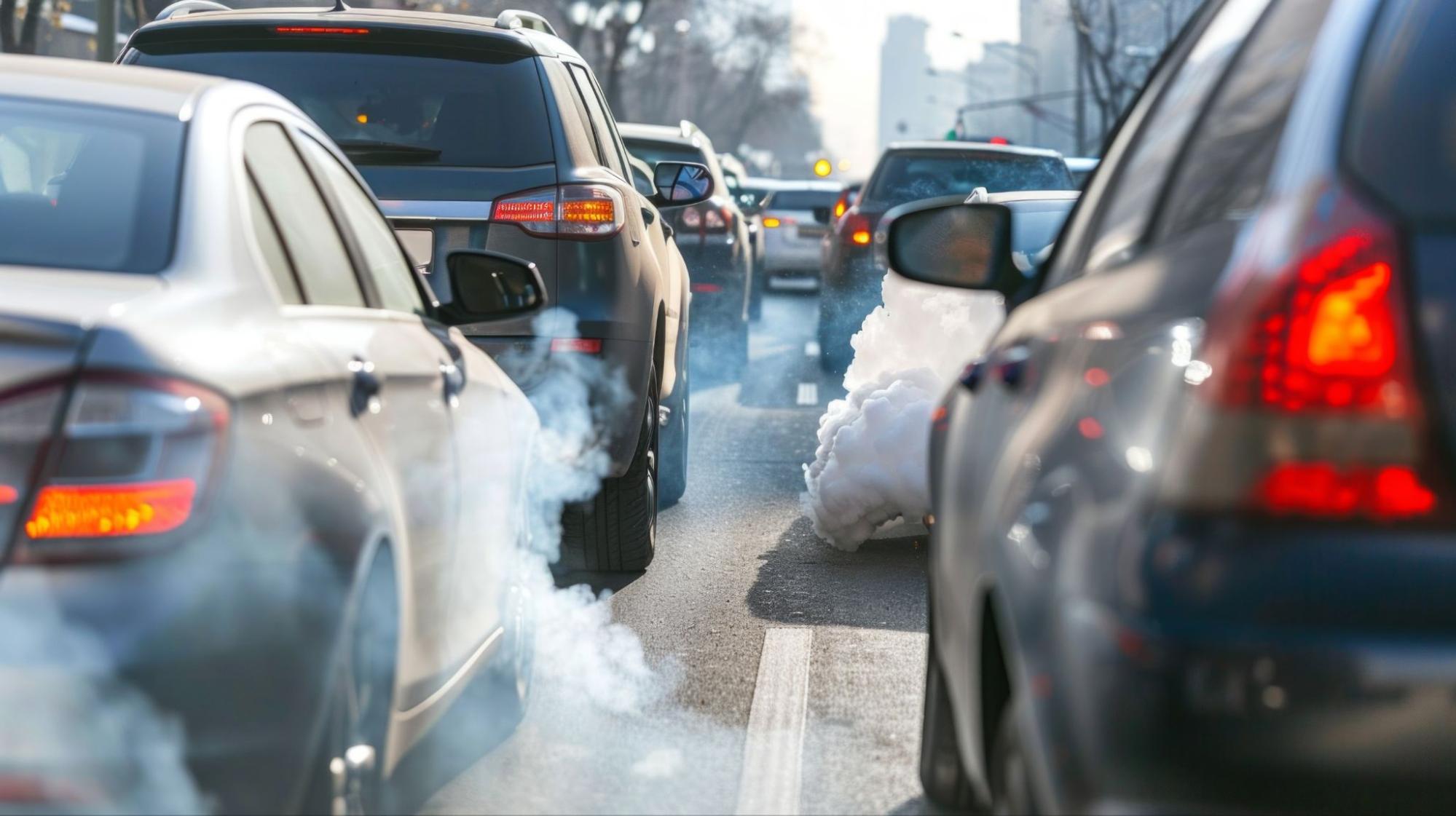
Individuals’ emissions usually involve home energy use and transportation. If you drive a gas-fueled car or fly often, you release a lot of carbon dioxide. Using electricity or natural gas to heat or cool your home can also boost emissions.
The food you eat can affect your carbon footprint too. For instance, meat production often emits more greenhouse gases than growing and processing vegetables or grains.
Businesses tend to have bigger footprints than individuals because they use more energy and produce more waste. Factories burn fossil fuels to power their machines, and offices might use a lot of electricity for lighting and air conditioning.
Plus, shipping goods worldwide creates more carbon dioxide emissions, as trucks, ships, and planes run on fuel. Even storing items can lead to extra energy use. For example, refrigeration is critical for perishable foods, and that can require large amounts of electricity.
The goal is to find ways to cut energy use and switch to cleaner solutions, like renewable energy, wherever possible, in personal and business settings.
How Does Reducing One’s Carbon Footprint Contribute to Fighting Climate Change?

Lowering your carbon footprint can help slow climate change because you release fewer greenhouse gases. When we burn fossil fuels or clear forests (deforestation), we add more carbon dioxide to the air. This buildup traps heat near Earth’s surface, causing our planet’s average temperature to rise over time. Methane and nitrous oxide also contribute to this warming effect, which can change weather patterns and harm ecosystems.
Cutting back on emissions is like taking your foot off the gas pedal. Reducing how many tonnes of carbon dioxide you produce helps slow global warming. This is crucial for the health of people, plants, and animals worldwide.
Even small steps matter. If many people try to drive less, use public transportation, recycle more, and eat meals that have lower greenhouse gas emissions, the overall impact will be significant.
On the business level, when companies use clean energy or make their factories more efficient, they help shrink their total emissions.
These types of collective efforts support the goals of global agreements, like the Paris Agreement, which aim to keep global temperature rise in check.
What Are the Most Effective Ways for Individuals to Lower Their Carbon Footprint?
You can take many actions to shrink your carbon footprint, but some are more effective than others. Some of the most effective methods are:
- Drive less: Cars release lots of carbon dioxide. When possible, walk, bike, or use public transportation. If you must drive, carpooling can help spread the emissions across multiple people. Electric cars or hybrids can also lower emissions if they fit your budget.
- Save energy at home: Switch off lights and devices when not in use. Use LED bulbs, set your thermostat to a moderate level, and seal your windows and doors to keep heat or cool air in. Small steps like these reduce energy use and carbon dioxide emissions.
- Eat wisely: The type of food you choose makes a difference. Meat, especially beef, often produces higher greenhouse gas emissions due to methane from cattle. Eating more vegetables, fruits, and grains can lower your carbon footprint. You can also reduce food waste by planning meals and storing leftovers correctly.
- Use renewable energy: If your power company offers a green energy option, consider choosing it. Solar panels and other renewable energy sources can also help you move away from fossil fuels. This cuts your reliance on coal, oil, and natural gas.
- Recycle and reuse: Making new products often creates emissions. By recycling and reusing items, you lower the need for raw materials and energy, helping reduce total emissions linked to manufacturing.
Even though these steps may seem small, they add up. Adjusting daily habits can reduce your carbon footprint and help slow climate change.
How Do Industries Measure and Reduce Their Carbon Footprint?
Companies often begin with a method called life cycle assessment. They check their processes from start to finish, including:
- Gathering raw materials
- Running factories
- Shipping goods
- Handling waste
This helps them see which steps in the process create the most emissions and helps them find ways to cut back. They also review all indirect emissions, such as post-consumer waste, and add that to the emissions found in the life cycle assessment.
Many companies invest in clean energy to reduce their carbon footprint. They might put solar panels on buildings or buy wind power.
Some businesses change how they ship items. For example, they can switch from air to sea because ships can be more fuel-efficient than planes. Another way to reduce total emissions is to rethink packaging and use less plastic or lighter materials.
Over time, these efforts help shrink a company’s carbon footprint. This shows the public that the business is serious about reducing its impact on climate change.
Enter your ZIP Code and compare electricity rates
What Role Do Renewable Energy and Energy Efficiency Play in Reducing Carbon Footprints?
Renewable energy comes from sources that don’t run out, such as solar, wind, or hydro. Unlike coal or oil, renewable energy sources do not produce large amounts of carbon dioxide during power generation. By choosing clean energy, people and businesses can lower their reliance on fossil fuels and reduce CO2 emissions. This can be especially effective if paired with energy storage solutions like batteries.
Energy efficiency means using less energy to get the same results. Simple examples include LED bulbs, which use less power than old-style incandescent bulbs, or efficient appliances that use less electricity. Even better insulation in buildings can reduce the need for heating and air conditioning, so you use less energy overall.
Combining improved energy efficiency with clean energy can greatly shrink a carbon footprint.
As energy efficiency grows, businesses and homes can save money on their bills while lowering their environmental impact. It’s a win-win. Many places also give tax breaks or other incentives to people who invest in renewable energy or energy-saving upgrades. Over time, these changes play a key part in slowing global warming and reaching sustainable development goals.
How Do Carbon Offset Programs Work, and Are They Effective?
Carbon offset programs aim to balance out emissions by funding projects that remove or reduce greenhouse gases. For instance, if you take a long flight, you might purchase an add-on that supports a tree-planting effort that will absorb an amount of carbon dioxide equal to what your flight caused. These programs can also invest in renewable energy, such as wind farms or solar panel projects, which replace polluting energy sources.
While offsets sound great, their success depends on how real and lasting the projects are. Some worry that offsets let people keep high-emission habits without changing. That’s why experts suggest offsets should be a second step after you’ve already tried to lower your direct carbon footprint.
Also, you should look for programs checked by trusted organizations or standards, like those backed by recognized environmental groups or certain government agencies. These groups confirm that the projects genuinely lower emissions and have real environmental benefits.
In general, carbon offsetting works best when paired with direct emission reduction. If you decide to fly less or switch to cleaner transportation and then offset what’s left, you’re making a bigger difference. For businesses, offsets can be part of a broader plan to cut back on total emissions, but they must still work on efficiency and cleaner energy on-site.

Play Your Role in Protecting the Planet by Reducing Your Carbon Footprint
Reducing your carbon footprint can help slow climate change and create a healthier environment. Individuals can drive less, save energy at home, and eat meals made from foods associated with fewer greenhouse gas emissions. Businesses can measure their emissions and improve processes to use less power and create less waste. Whatever emissions are left over after these reductions, companies and individuals can use carbon offsets to narrow the zero-emissions gap.
Energy Savings can help you reduce your reliance on fossil fuels with our online retail energy provider (REP) comparison tool. Our tool allows you to find REPs offering a greater mix of green energy or those offering 100% green energy options. This is one great way to sustainably shrink your carbon footprint without incurring a large expense.
Brought to you by energysavings.com
All images licensed from Adobe Stock.