
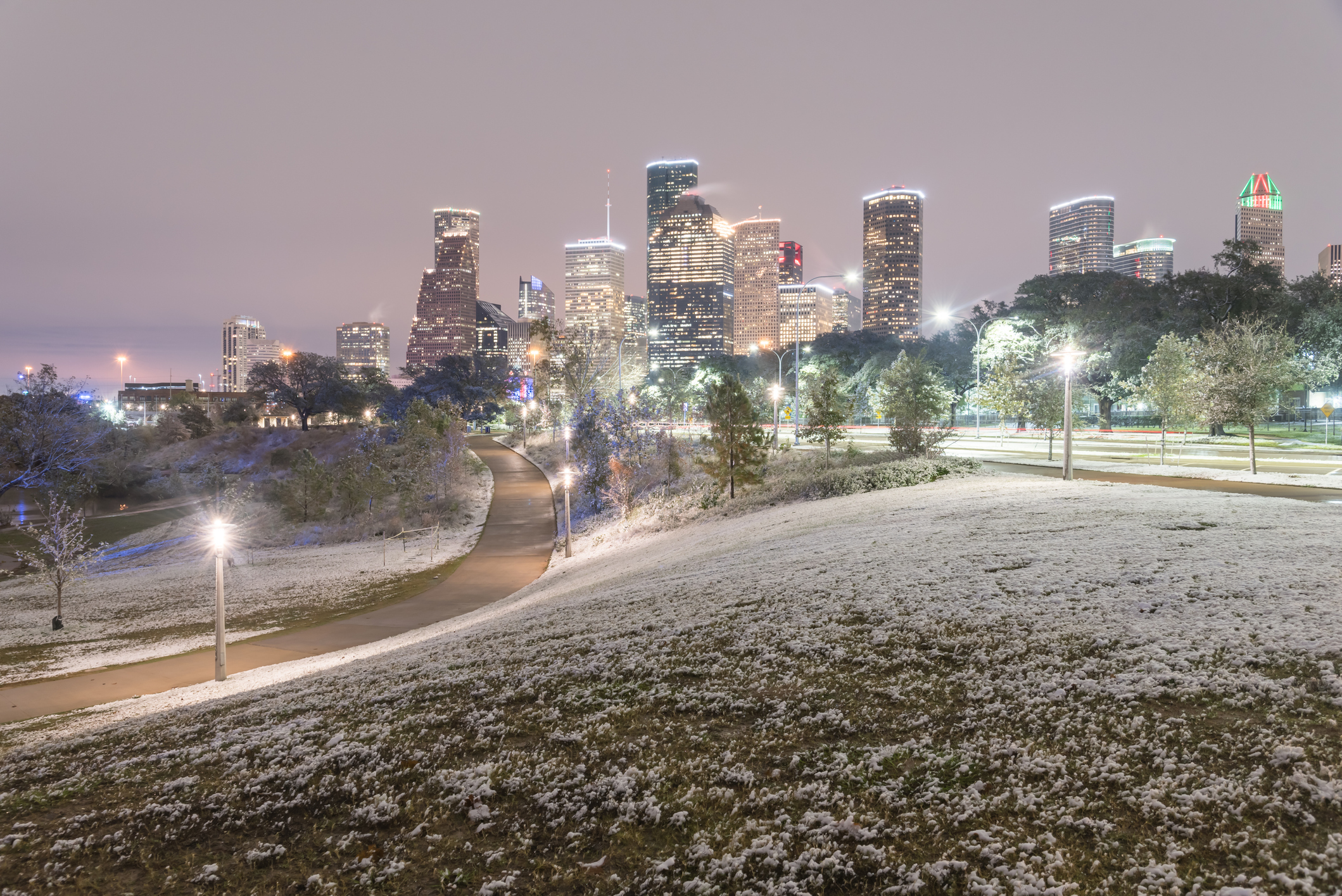
Texas, known for its vast landscapes and diverse climates, offers a unique winter experience that varies across the state. From mild temperatures in the south to occasional snow in the north, understanding Texas’s winter weather can help residents and visitors make the most of the season.
Typical Winter Weather in Texas
Texas spans multiple climate zones, which means the winter experience can vary significantly depending on where you are. Here’s what to expect across different regions of the state:
North Texas
This region, including cities like Dallas, Fort Worth, and Amarillo, often experiences colder temperatures with occasional snowfall. Dallas averages about 2.6 inches of snow per year, while Amarillo can get up to 17 inches in some years.
Cold fronts can bring sudden temperature drops, so it’s always wise to check weather forecasts before planning outdoor activities. Additionally, icy roads can create hazardous driving conditions, so travelers should keep an emergency kit in their vehicles.
In recent years, winter storms have caused disruptions in North Texas, emphasizing the importance of preparing homes with insulation and alternative heating sources. Power outages can be a concern, so residents should keep extra batteries, flashlights, and a backup power source if possible.
Central Texas
Cities like Austin and San Antonio have milder winters, though occasional freezes can occur. Snow is rare, but when it does fall, it usually melts quickly. The infamous winter storm of February 2021 was an exception, bringing significant snowfall and freezing temperatures to the region. Residents should prepare for occasional freezing temperatures by insulating outdoor faucets and keeping extra blankets handy. Though winters are mild, morning frost can make roadways slick, so caution is advised during commutes.
Outdoor enthusiasts can still enjoy winter hiking in Central Texas, as trails remain accessible year-round. Places like Enchanted Rock and Pedernales Falls offer scenic winter hikes with fewer crowds compared to the busy summer season.
West Texas
With higher elevations, areas like El Paso and Lubbock can experience colder conditions. Snowfall is more frequent in the Guadalupe Mountains, making it one of the few areas in Texas with consistent winter precipitation. The dry air and elevation mean nights can be particularly chilly, so layering is essential when spending time outdoors.
Visitors to this region can enjoy beautiful winter sunrises over desert landscapes, a unique sight worth experiencing. For those who love winter sports, McKittrick Canyon in the Guadalupe Mountains offers breathtaking views of snow-dusted peaks. The region’s stark contrast between desert landscapes and winter frost creates a stunning backdrop for photographers and nature lovers alike.
South Texas
The warmest region in the state, including Corpus Christi and the Rio Grande Valley, rarely sees freezing temperatures, making it an ideal winter escape. Many visitors flock to this area to enjoy outdoor activities such as birdwatching, fishing, and hiking without the extreme heat of summer.
Coastal destinations like South Padre Island offer comfortable weather year-round, making them popular for winter travelers. Winter is also an excellent time for seafood lovers to visit South Texas. Fresh Gulf shrimp, oysters, and other seafood delicacies are at their peak during the cooler months, making for a delicious seasonal treat at local coastal restaurants.
Does Texas Experience Snow and Ice?
While snow and ice are rare in most of the state, they do occur, especially in northern and western regions. Here’s a closer look:
Snowfall Hotspots in Texas
- Panhandle Region: Amarillo and Lubbock frequently receive measurable snow, sometimes exceeding a foot in a single storm.
- North Texas: Snowfall is infrequent, but when it does occur, it can cause travel disruptions.
- West Texas: El Paso and the Guadalupe Mountains see occasional snowfall, making for picturesque winter landscapes.
Many residents take advantage of these occasional snowfalls by engaging in seasonal activities like sledding, building snowmen, or simply enjoying the scenic beauty of snow-covered fields. However, since Texas cities are not equipped with extensive snow removal infrastructure, even light snowfall can lead to delays and closures.
Enter your ZIP Code and compare electricity rates
Ice Storms and Freezing Rain
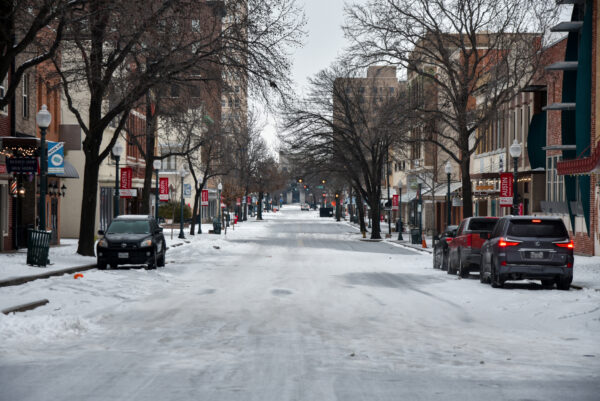
While snow is rare in many parts of Texas, freezing rain and ice storms are more common and can be particularly dangerous. Ice accumulation on roads, power lines, and trees can cause widespread outages and hazardous travel conditions.
Texans should be prepared for icy conditions by having backup power sources, staying indoors when roads become treacherous, and using ice melt on walkways to prevent slips and falls.
Best Winter Destinations in Texas
Despite its reputation for warm weather, Texas has plenty of winter-friendly destinations:
Big Bend National Park
Located in West Texas, Big Bend is a fantastic winter destination with mild temperatures that make hiking and camping more enjoyable. The cooler weather is perfect for exploring the scenic Santa Elena Canyon and the Chisos Mountains. Winter also offers clearer skies, making it one of the best times for stargazing in this internationally recognized Dark Sky Park.
Texas Hill Country
Winter is a great time to visit the Hill Country, home to charming small towns like Fredericksburg and Wimberley. This region is famous for its wineries, holiday festivals, and beautiful countryside. Many visitors enjoy cozying up by the fire in local bed-and-breakfasts or taking scenic drives through rolling hills dotted with historic landmarks.
Palo Duro Canyon
The second-largest canyon in the U.S., located near Amarillo, offers breathtaking winter views and great opportunities for hiking and photography. Winter is an excellent time to visit, as the cooler temperatures make hiking more comfortable compared to the intense summer heat. The canyon’s rugged beauty is especially striking when dusted with snow.
South Padre Island
For those looking to escape the cold, South Padre Island provides pleasant beach weather even in December and January. The island is also a prime location for spotting migratory birds during the winter months. Dolphin-watching tours are popular during this time, and visitors can enjoy fresh seafood at local waterfront restaurants.
Marfa
Known for its mysterious ing desert scenery, and vibrant arts community, Marfa is a unique winter retreat. With fewer crowds in winter, visitors can explore Marfa’s art installations and local galleries in a relaxed, intimate setting. The town’s small but vibrant dining scene also offers warm, inviting spots to escape the cold.
Preparing for Winter Storms in Texas
Winter storms in Texas can be unpredictable, and while they don’t happen frequently, it’s crucial to be prepared.
Home Preparation
- Insulate pipes to prevent freezing and bursting.
- Keep heating systems in good condition with regular maintenance.
- Seal windows and doors to prevent drafts and conserve heat.
- Stock up on essentials like non-perishable food, bottled water, and blankets.
Vehicle Readiness
- Keep the gas tank at least half full to prevent fuel lines from freezing.
- Carry an emergency kit with blankets, snacks, a flashlight, and jumper cables.
- Check tire tread and air pressure regularly, as cold weather can cause fluctuations in tire pressure.
Popular Winter Events and Festivals in Texas
Winter is also a time for unique festivals and events that bring communities together. Here are a few worth visiting:
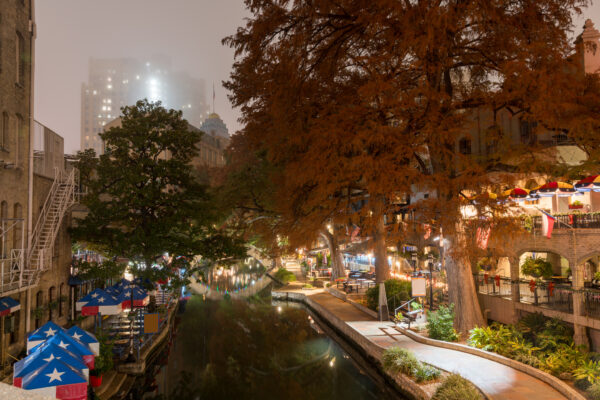
- San Antonio Holiday River Parade: A spectacular event featuring illuminated floats on the San Antonio River Walk.
- Austin’s Trail of Lights: A beloved holiday tradition featuring massive light displays and festive activities.
- Wassail Fest in New Braunfels: A German-inspired festival celebrating hot spiced cider and local culture.
- Fredericksburg Christmas Market: A charming, European-style market perfect for holiday shopping.
- Corpus Christi Illuminated Boat Parade: This coastal celebration features festively decorated boats cruising along the bayfront, providing a stunning display for spectators along the shore.
Energy Savings Tips for Texas Winters
Winter can lead to increased energy consumption, but simple changes can help lower your energy bills.
- Adjust your thermostat: Lowering your thermostat by just a few degrees can significantly reduce heating costs. Additionally, using ceiling fans in reverse mode can help distribute warm air more effectively throughout your home.
- Use energy-efficient heating: Use space heaters safely and only in occupied rooms, while ensuring HVAC filters are clean to maximize efficiency.
- Seal drafts and insulate: Use weatherstripping around windows and doors, and close curtains at night to retain heat.
- Upgrade to LED lighting: LED lights use less energy than traditional bulbs, which means they can help you save.
- Choose an energy-efficient provider: Shop for the best energy plans to help manage winter energy costs.
- Smart home technology: Programmable thermostats can automatically adjust temperatures based on your schedule, ensuring that energy isn’t wasted when no one is home.
Final Thoughts: Making the Most of a Texas Winter
Texas might not be the first place that comes to mind for a winter getaway, but the state offers a surprising variety of seasonal experiences. In the Panhandle, you can find snowy adventures perfect for those who love brisk winter air, while the Gulf Coast provides a warm escape with sunny beaches and mild temperatures.
Cities like Austin, Dallas, and San Antonio offer festive lights, holiday markets, and cozy spots to enjoy the season. Whether you’re visiting or a local looking for a change of scenery, Texas has something to make winter memorable.
Check out Energy Savings to compare the best electric provider rates in Texas.
References
- Just Energy – Winter Energy Saving Tips
Guide on energy-saving strategies and reducing heating costs during the winter months.
https://justenergy.com/blog/winter-energy-saving-tips/ - Energy Savings – Compare the Best Electric Provider Rates in Texas
Platform for comparing electricity rates and finding energy-efficient solutions.
https://energysavings.com - National Weather Service – Winter Weather in Texas
Official data on Texas winter weather conditions, snow patterns, and safety recommendations. https://www.weather.gov/ama/winter - Texas Parks & Wildlife – Winter Hiking and Attractions
Information on winter activities in Texas state parks, including hiking and wildlife viewing.
https://tpwd.texas.gov/state-parks/enchanted-rock
https://texasstateparks.reserveamerica.com/camping/pedernales-falls-state-park/r/deDetails.do?contractCode=TX&parkId=1200068 - Big Bend National Park – Official Site
Details on winter hiking and camping opportunities in Big Bend National Park.
https://www.nps.gov/bibe/index.htm - San Antonio River Walk – Holiday Events
Overview of the Ford Holiday River Parade and other seasonal festivities.
https://www.thesanantonioriverwalk.com/events/ford-holiday-river-parade/ - Austin Trail of Lights – Official Event Site
Annual holiday festival featuring light displays and community activities.
https://austintrailoflights.org/ - Texas State Parks – Palo Duro Canyon
Information on winter hiking, camping, and photography opportunities.
https://tpwd.texas.gov/state-parks/palo-duro-canyon - Visit South Padre – Winter Activities
Guide to outdoor winter recreation, wildlife viewing, and beachfront activities.
https://www.sopadre.com/ - National Park Service – McKittrick Canyon in the Guadalupe Mountains
Overview of winter landscapes and hiking trails in West Texas.
https://www.nps.gov/gumo/planyourvisit/mckittrick.htm - Texas Hill Country – Travel & Events
Information on holiday events, wineries, and winter attractions in the Texas Hill Country.
https://texashillcountry.com/ - City of Fredericksburg – Christmas Market & Seasonal Events
Guide to Fredericksburg’s European-style holiday market and winter festivals.
https://www.visitfredericksburgtx.com/ - Marfa Lights – Texas Travel Guide
Information on the mysterious Marfa Lights and winter travel experiences in West Texas.
https://visitelpaso.com/blog/marfa-lights-texas-legend - Just Energy – Power Outage Preparedness
Tips for handling rolling blackouts and power disruptions in winter.
https://justenergy.com/blog/how-to-prepare-for-a-power-outage/ - S. Department of Energy – Weatherization Assistance Program (WAP)
Federal program providing assistance for energy efficiency improvements in low-income households. https://www.energy.gov/scep/wap/weatherization-assistance-program