
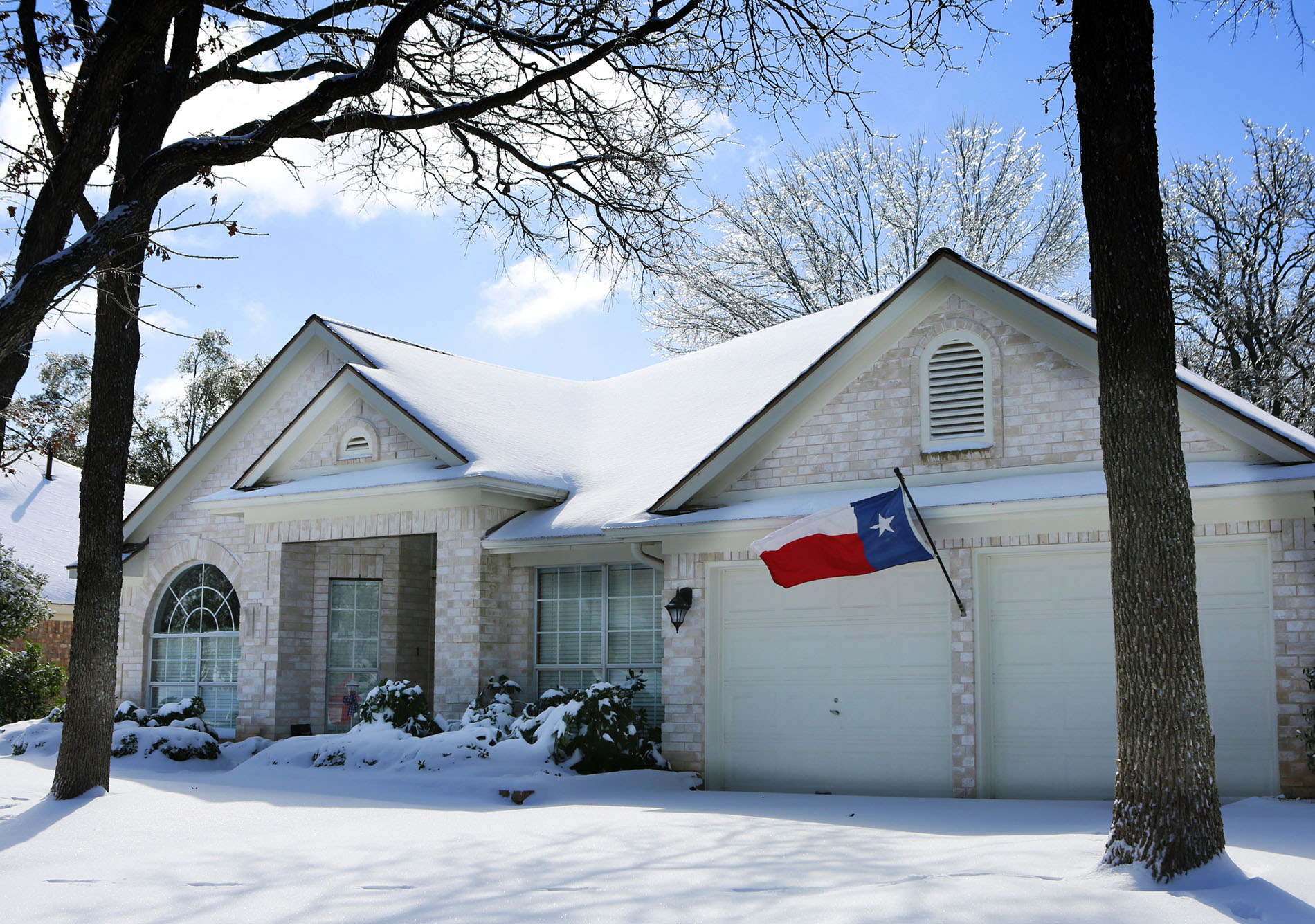
Winter in Texas can unexpectedly hike up heating costs. While the state’s winters are milder than those of northern regions, it’s still important to take steps to ensure you’re not overpaying for heating. Fortunately, there are plenty of cost-effective strategies you can use to reduce your energy consumption without sacrificing warmth. This guide will cover practical tips for saving on energy costs and maintaining comfort throughout the winter months.
Most Effective Ways to Reduce Heating Costs in Texas Winters
Heating your home in winter doesn’t have to break the bank. Start by making sure your home is as energy-efficient as possible. Here’s how:
Seal Drafts and Gaps
One of the most effective ways to keep warm air inside and cold air outside is by sealing any gaps or drafts in your home, thus reducing the workload on your heating system. Apply weatherstripping around doors, use caulking for cracks around windows, and even consider adding door sweeps to block drafts from under exterior doors. This is a simple, inexpensive fix that can significantly improve your home’s comfort and energy efficiency.
Upgrade Insulation
Insulation is key to keeping your home warm during winter and cool in the summer. If your home’s insulation is outdated or insufficient, adding more insulation can help prevent heat from escaping and cold from entering.
Consider adding insulation in the attic, walls, and floors, as these are common areas for heat loss. Spray foam, batt, and blown-in insulation are all great options for improving insulation in your home.
Don’t forget about pipe insulation, too. In colder months, uninsulated pipes can lead to heat loss, making your water heater work harder. Wrapping pipes with insulation sleeves can prevent heat loss and lower water heating costs.
Install a Programmable Thermostat

A programmable thermostat allows you to set your home’s temperature to match your schedule, ensuring you’re not heating your home when you don’t need to. By lowering the temperature when you’re not at home or when you’re asleep, a programmable thermostat prevents you from wasting energy. Over time, this simple device can save you up to 10% a year on your heating costs.
Image source: iStock by Getty Images | LSOphoto
Some smart thermostats even allow remote adjustments through mobile apps, providing convenience and additional savings by optimizing your heating schedule based on real-time weather conditions.
How to Improve Your Home’s Energy Efficiency
Besides sealing gaps and upgrading your insulation, there are other simple improvements that can significantly boost your home’s energy efficiency.
Replacing old appliances with Energy Star-rated models can lower your energy consumption without sacrificing performance. Energy-efficient appliances use less power to do the same tasks, so they save you money in the long run. When upgrading appliances like your water heater or space heaters, look for models that are labeled with the Energy Star symbol to ensure they meet the highest efficiency standards.
You could probably guess that windows are one of the main sources of heat loss in homes. If your windows are single-pane or poorly sealed, they can let in drafts and increase your energy bills. Replacing them with double-pane or insulated windows can help keep the warmth inside and prevent energy waste. If replacing windows isn’t in your budget, you can use window insulation kits as an affordable alternative to block drafts and improve insulation.
Lower the thermostat on your water heater to 120°F to prevent it from using more energy than necessary. Additionally, insulating your water heater can help maintain the temperature of the water, reducing the need for constant reheating. This can lead to lower energy consumption and more consistent hot water when you need it.
Enter your ZIP Code and compare electricity rates
Cost-Effective Alternatives to Central Heating
If central heating isn’t the most cost-effective option for your home, consider these alternatives:
- Portable Heaters: Space heaters are a great option for heating only the rooms you’re using, rather than heating the entire house. This is especially useful if you only need to heat a small area, like a room. Think about putting your space heater in places where you spend the most time, which allows for targeted heating while keeping overall energy costs lower than central heat. Make sure to choose energy-efficient models with built-in safety features, such as automatic shut-off if the heater is tipped over, to ensure safe operation.
- Electric Blankets: An electric blanket is an excellent way to stay warm while you sleep without turning up the heat in the entire house. These blankets use less energy than running the central heating system, making them a cost-effective alternative. Simply plug them in to warm up your bed before you sleep and stay cozy throughout the night. Heated mattress pads offer another energy-efficient option, providing warmth directly at the source and eliminating the need for excessive heating overnight.
- Infrared Heaters: Infrared heaters are different from conventional heaters in that they warm objects and people directly, rather than the air. This makes them more efficient in smaller spaces, where you don’t need to heat an entire room. They are a great option if you spend most of your time in one area of the home and want to avoid wasting energy.
Texas-Specific Energy Assistance Programs and Rebates
Texans have access to several programs designed to reduce energy costs, especially for low-income households:
- Low-Income Energy Assistance Program (LIHEAP)
The Low-Income Energy Assistance Program helps qualified low-income households pay their heating bills during the winter. This program is administered by the Texas Department of Housing and Community Affairs, and eligibility is based on income and other factors. Learn more and apply for assistance on the TDHCA’s LIHEAP page. - Weatherization Assistance Program (WAP)
The Weatherization Assistance Program helps low-income Texans make their homes more energy-efficient. This includes adding insulation, sealing air leaks, and making other energy-saving improvements. Weatherizing your home can significantly lower your heating costs. More details about the program can be found on the TDHCA Weatherization page. - Energy-Efficiency Rebates
Many electric utilities in Texas, like Just Energy, offer rebates for energy-efficient upgrades, such as replacing old heating systems or installing energy-efficient appliances. These rebates help offset the initial cost of making improvements to your home’s energy efficiency. Check with your local utility provider to see if they offer any available rebates or promotions.
Simple Habits That Can Lower Energy Consumption in Winter
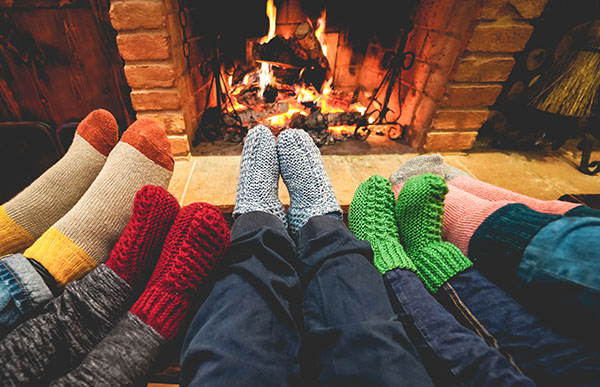
In addition to making home improvements, adopting new habits can also help you lower your energy usage during the winter months. For example, instead of cranking up the heat, consider wearing warm clothing and using blankets while indoors. This allows you to keep the thermostat set lower and conserve energy. Layering up is an easy way to stay warm without increasing your energy consumption.
Image source: iStock by Getty Images | DisobeyArt
Ceiling fans are often associated with cooling, but they can also help in winter. Running the fan in reverse (clockwise) helps circulate warm air that rises to the ceiling. This helps distribute heat more evenly throughout the room, making it feel warmer and reducing the need to run the heater.
What’s more, when you cook in the oven, it naturally adds warmth to the kitchen, which can help reduce the need to run the heater. Plus, cooking with the oven is more energy-efficient than using a stovetop for longer cooking times. It’s an easy way to warm your home while preparing a meal.
How to Prepare for Winter Outages
Winter storms can sometimes lead to power outages, and it’s important to be prepared. Here’s how to stay safe and conserve energy during an outage:
- Have Backup Heating Options: If you live in an area prone to power outages, consider having a backup heating solution, such as a portable gas heater or a generator. Make sure these devices are set up safely and ready to use during winter storms.
- Keep Refrigerators Closed: During a power outage, keep your refrigerator and freezer closed as much as possible. A full freezer can stay cold for up to 48 hours, and a refrigerator can maintain a safe temperature for about 4 hours. This helps preserve food and prevents waste.
- Prepare Your Fireplace: If you have a fireplace, make sure it’s clean and ready for use before the winter season. A working fireplace can provide much-needed warmth if the power goes out, but it’s essential to ensure the chimney is clear of debris and the fireplace is in good condition.
Some other measures you can take include:
- Warmth: Have a supply of blankets and extra clothing for warmth
- Food and Water: Keep a stock of non-perishable food and bottled water
- Light Sources: Use battery-powered lanterns instead of candles to reduce fire hazards
Wrapping Up: Save Energy During Winter Without Expensive Renovations
Saving energy during the Texas winter doesn’t require expensive home renovations. By making a few smart adjustments, like sealing drafts, upgrading insulation, and using energy-efficient appliances, you can reduce your heating costs and improve comfort. Be sure to take advantage of Texas-specific energy assistance programs and rebates to further reduce expenses. By incorporating these tips and habits into your daily routine, you can enjoy a warm and affordable winter season.
Check out Energy Savings to compare the best electric provider rates in Texas.
References
- Just Energy – Winter Energy Saving Tips
Just Energy’s guide to reducing heating costs, improving energy efficiency, and using smart technology for winter savings. https://justenergy.com/blog/winter-energy-saving-tips/ - Energy Savings – Compare the Best Electric Provider Rates in Texas
A resource for comparing Texas electricity rates and finding energy-saving solutions. https://energysavings.com - Low-Income Home Energy Assistance Program (LIHEAP)
A government program that provides financial assistance for energy costs to qualifying low-income households. https://www.liheap.org/ - Weatherization Assistance Program (WAP)
A federal program helping low-income households improve energy efficiency through insulation and home upgrades. https://www.energy.gov/scep/wap/weatherization-assistance-program - Just Energy – Green Energy & Efficiency Tips
Insights on energy conservation, efficiency strategies, and electric heater recommendations. https://justenergy.com/green-energy/energy-conservation-and-efficiency-tips/ - Texas Solar Incentives and Rebates Guide
Overview of solar incentives available to Texas residents. https://justenergy.com/solar/texas-solar-incentives-and-rebates-guide/ - Just Energy – How to Prepare for Rolling Blackouts
Guide on rolling blackouts and preparation strategies for power outages. https://justenergy.com/blog/rolling-blackouts-what-they-are-and-how-to-prepare-for-them/
Brought to you by energysavings.com
All images licensed from Adobe Stock.