

This year’s Super Bowl attracted special attention because of the emphasis placed on electric vehicles by automakers that advertised during the event. Nearly all of the ads, which cost more than $6 million for a 30-second slot, were about EVs being produced in the U.S. Meanwhile, in Europe, there was much discussion about a recent report showing banks that had pledged to achieve net-zero in their investment portfolios were continuing to pour billions into new oil and gas projects.
Automakers’ Super Bowl Ads Throw Spotlight on EVs
Carmakers in the U.S. used their ad time at this year’s Super Bowl to feature their lines of electric vehicles.
EV sales are growing at a much faster rate than any other type of vehicle overall, but still fewer than 550,000 were sold in the U.S. last year, compared to 2.3 million in Europe. The majority of EVs have been sold there and in Asia. In the U.S., Elon Musk’s Tesla dominates the EV market.
With each ad costing approximately $6 million for a 30-second run, automakers clearly expect to profit from the ads.
Developments in the U.S., including the passing of the bipartisan infrastructure bill that makes billions available for renewable energy infrastructure, and the country’s commitment to meet the goals of the Paris Agreement, have created a favorable space for EVs in consumer consciousness.
The Super Bowl commercials relied on typical advertising fare, including the use of celebrities, to make their sales pitch. Analysts said it’s important for automakers to win over the masses of the American public to the idea of buying an EV, since the majority of sales have been in the luxury end of the U.S. market.
Further, European and Chinese automakers are at the forefront globally as EV manufacturers, and U.S. companies want to ensure they don’t lose out in the global marketplace because of failing to supply EVs for sale.
However, many of the EVs the American automakers advertised are not available right away for sale to the average buyer.
Banks Pour Billions Into Fossil Fuels After Net-Zero Pledge
Twenty-four large European banks that are part of the Net-Zero Banking Alliance financed more than $30 billion last year to projects for increasing gas and oil production, a report says.
ShareAction, the activist group that published the report, said roughly $19 billion in loans and other financial support were given by just four banks – HSBC, Barclays, BNP Paribas and Deutsche Bank – to companies like Shell, ExxonMobil, and BP in the months after the banks had committed to ensuring all projects in their investment and loan portfolios would yield net-zero emissions by 2050.
The banks identified have said the funding is part of their support to help their clients transition to a low-carbon business model. However, the report’s publishers pointed out that the International Energy Agency (IEA) advised in 2021 that all new oil and gas investments should stop immediately beyond what has already been committed if the world wants to achieve the target of warming no more than 1.5 degrees Celsius above pre-industrial levels.
The net-zero emissions goal would mean that demand for oil and gas steadily falls between now and 2050, making investments in this sector risky and even causing banks to lose revenue, said the activist group that represents shareholders concerned about the climate.
However, a spokesperson for a bank named in the report said there’s no evidence that demand for oil and gas is diminishing and failure to meet the demand would likely have negative social consequences. The spokesperson said their investments in oil and gas have declined substantially in comparison with previous years, and they’re continuing to work closely with their clients toward achieving the transition to a net-zero economy.
However, ShareAction expressed skepticism about the banks’ commitment to achieving net-zero portfolios. The group said even if demand does not fall as expected, the resulting increase in temperatures would lead to significant damage to oil and gas operations, resulting in financial losses for banks and investors.
In response to the activist report, ExxonMobil said that the IEA has acknowledged the need for trillions of dollars of additional investment in oil and gas between now and 2050 to meet global energy demand. The company said while fossil fuels remain a substantial part of its business, it is working toward achieving a transition of about 50% of its investments to renewable and clean energy by 2030.
Between 2016 and last year, 25 European banks, including the 24 Alliance members, have invested $400 billion in oil and gas companies that were looking to expand production.
UK Government to Hold Green Energy Auctions Annually
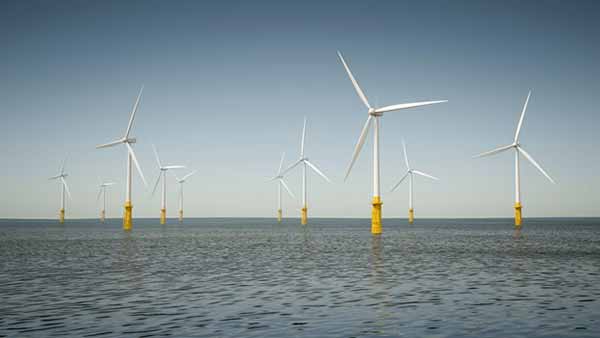
The U.K. government has announced it will increase the frequency of its green energy auctions to secure a reliable supply of clean energy at the best price.
The auctions were formerly held every two years and will now be held annually. The auctions assure the winning firm that the price it receives for its electricity will never fall below a certain threshold. This guaranteed minimum price allows energy firms to invest with greater confidence and can help lower financing costs for the projects.
The auction system has been adopted globally and led to a sharp decrease in the price of renewables worldwide. The U.K. intends to use this new set of auctions to support onshore wind and solar power for the first time.
However, several members of Parliament are opposed to support for renewable energy, which they believe will prove too expensive, and are pushing for the U.K. to resume producing its own gas from fracking. These MPs argue that a free market is the best way to ensure that fuel prices are kept under control.
The government has set aside a proposed budget of nearly 300 million pounds to service the auctions, also known as contracts for difference. The majority of that sum has been allocated to finance offshore wind production.
Both offshore and onshore wind-power companies repaid several millions of pounds to consumers last year when the price for wind power surged above the guaranteed price set by the auctions contracts.
Renewables Installation Plans Worry Australian Farmers
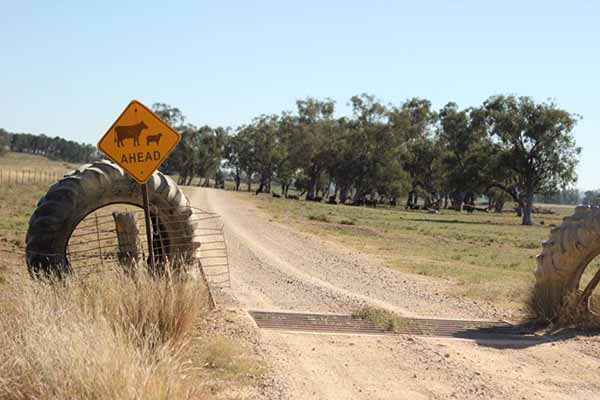
Australian farmers are concerned about the impact of transmission lines from wind and solar facilities being planned by the Australian government as part of its multi-billion-dollar Renewable Energy Zones (REZ).
The REZs are sites for wind and solar farms in rural areas, from which clean energy will be transported via overhead transmission lines to more densely populated areas in the country.
Farmers have said the towers for the transmission lines will adversely affect their farm operations and use up valuable space they need. The transmission lines also pose various risks, they said, including a threat posed by electric sparks when they repair farm machinery outdoors.
They’ve accused the authorities of acting in bad faith for the sake of reducing costs on the project, because the plans involve placing the towers on farm land, rather than state land. Farmers said the use of state lands would incur additional expense since this land must first be cleared before installations are built. Hence, the organizations responsible for the installations are insisting the towers and lines must be done on farm land.
No consideration has been given to the impact such installations would have on their enterprises, farmers said. They’re encouraging the authorities to reconsider the overhead transmission lines and to opt for running the lines underground instead.
Despite the concerns expressed, most farmers in Australia are interested in tackling climate change because they’ve experienced its adverse impacts, according to a survey in 2016. Australia currently produces more than half of its electricity from coal and has one of the highest emissions rates per capita in the world.
Concerns over the decommissioning of the towers were also expressed by farmers, who feel they’ll be left with the burden of removing the installations once they’re no longer in operation.
Authorities responded to the complaints by saying all projects are assessed for their social and community impact. An official also said there had been no difficulties as far as growing crops around existing wind installations.
South Africa Launches Major Solar Project
South Africa is working with a Saudi investor on a major solar project that’s expected to power 200,000 homes once operational, offset more than 400 metric tons of CO2 emissions annually, and provide tangible socioeconomic benefits, including numerous jobs.
The Redstone Project in South Africa’s Northern Cape province has already completed a significant portion of the engineering works and it’s hoped that all work will be completed in time for the facility to begin operating in the latter part of next year.
The project has attracted a consortium of funders, including the African Development Bank, and will cost nearly $800 million (ZAR 11.6 billion). Officials referred to the project as a “landmark” financial investment that is in keeping with the bank’s goal of investing in clean energy development.
Opinion writer: Jewel Fraser
The opinions, beliefs, and viewpoints expressed by the various authors do not necessarily reflect the opinions, beliefs, or viewpoints of Interactive Energy Group, LLC (IEG) or its parent companies or affiliates and may have been created by a third party contracted by IEG. Any content provided by the bloggers or authors are of their opinion and are not intended to malign any individual, organization, company, group, or anyone or anything.
Brought to you by energysavings.com
All images licensed from Adobe Stock.
Featured image: