
Since welcoming in the new year, several energy developments are underway, most of which were in progress before 2022. While many countries and organizations are committed to implementing green energy projects, incentives, and investments, Europe has some exciting proposals to integrate fossil fuels with non-fossil-fuel energy sources to modify current European Union standards.
Counties in Latin America as well as Australia and the United States have recently made significant moves towards supporting clean energy. In addition, there are new developments in Asia and Europe to develop solar and wind energy sources and battery production, while introducing legislation to solidify commitment to building and expanding on non-fossil energy options.
The end of 2021 indicates many new green projects and mandates that are important to watch throughout the new year.
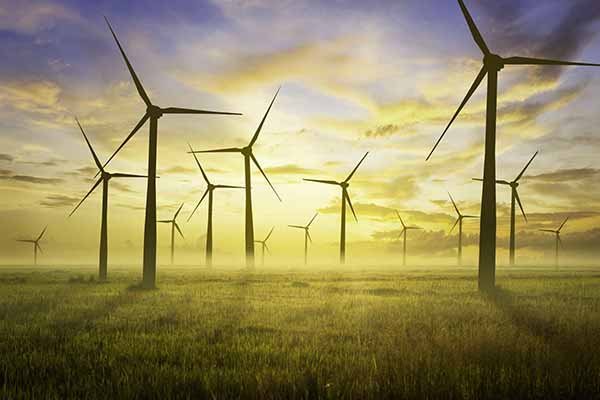
Long-Term Wind Farm Project to Be Built by Nordex Group
Finland ordered a new wind farm to be constructed by Nordex Group. The company is asked to provide materials and supplies to install this grid in partnership with Helen, Uniper, and Fortum, a solar and wind energy team. This collaboration is the first project involving the green energy team and is part of a long-term service contract with Nordex Group, which includes implementing 6.X turbines, which are new to this region.
This wind and solar installation is scheduled to begin in early 2023 with the newest 6 MW class of wind turbines.
Energy Crisis Escalates in Europe
The U.K.’s energy crisis deepened in last week of 2021 once gas prices exceeded the record set in October. This spike in gas prices resulted in a cost nine times what it was at that point a year earlier; a record-breaking high of £4.50 per therm. Some contributing factors to this sudden hike in energy may be due in part to an abrupt drop in temperature and growing concerns about gas exports from Russia to western Europe. This emerging pattern has many energy executives and companies discussing the possibility of an impending “national crisis” in 2022.
Over the past year, Europe saw increased energy costs, showing a significant spike in heating and electricity prices. While the continent has made strides toward subsidizing electric vehicles and supporting a substantial reduction in carbon dioxide emissions, Europe simultaneously continues to rely on more traditional energy sources, including natural gas and dependence on liquified gas shipments from China. In addition, while many European governments have set goals to tackle climate change, previous concerns about possible blackouts due to excessive energy consumption have prompted more reliance on coal, gas, and nuclear sources.
India Commits to Investing Over $1.6 Billion in Green Energy Infrastructure
As one of the largest emitters of greenhouse gases globally, India has committed to reducing emissions by 1 billion tons before the end of the decade. This move towards cutting emissions coincides with the world’s third-largest greenhouse gas emitter’s announcement to invest just over $1.6 billion in renewable energy over the next five years. In addition, India plans to roll out green energy grids in seven states while continuously reducing emissions, for a final goal of zero carbon emissions by 2070.
To meet these ambitious goals, the federal government plans to provide financial assistance to expand the country’s green “corridor” or energy transmission network. This project involves extending the current infrastructure to include an additional 10,750 circuit kilometers (6,680 miles) in transmission lines throughout seven provinces in the southern part of India.
Tesla’s Model 3 Ranks Second in the UK for 2021, Right Behind the Vauxhall Corsa
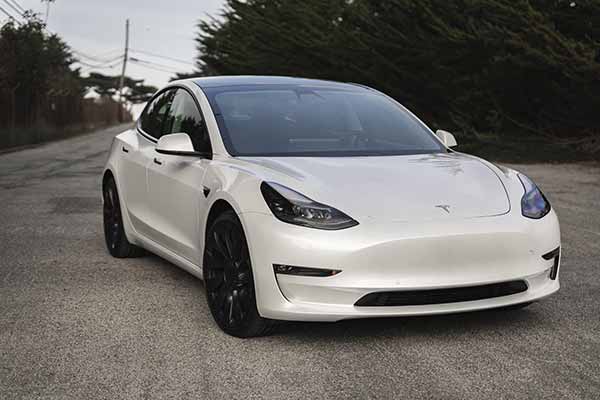
According to figures released on Jan. 2, nearly 200,000 new battery-electric cars were purchased in the U.K. last year, with Tesla’s Model 3 the second best-selling battery-electric model, right behind the more moderately priced Vauxhall Corsa.
The Tesla Model 3, an all-electric sedan, sells for about $60,000, while the Corsa goes for just over a third of that price at around $23,500.
In a press release on Thursday, the Society of Motor Manufacturers and Traders (SMMT) said 2021 was the “most successful year in history for electric vehicle uptake.”
That’s good news in an uphill battle to get more electric vehicles on the road. SMMT went on to say, “The figures underline the ongoing impact of Covid and the semiconductor shortage on the industry.”
The U.K. aims to end the sale of new diesel and gas vehicles by 2030. Likewise, after 2035, new cars and vans must have zero emissions.
Major Solar Projects Approved in California
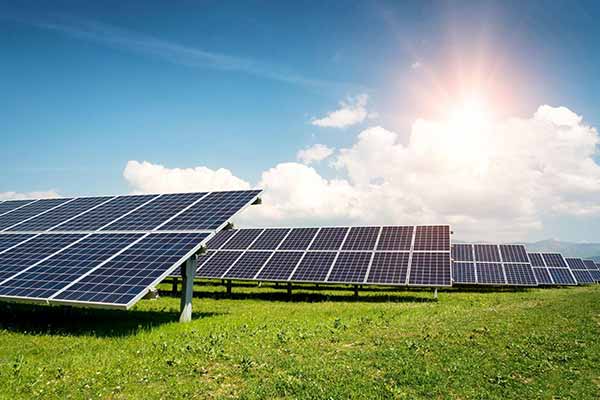
The U.S. Bureau of Land Management has approved two solar projects planned for California. These projects will be built by Clearway Energy Group, consisting of two photovoltaic (PV) solar energy centers projected to produce up to 465 MW of power combined. Victory Pass and Arica, the two energy facilities, are to be constructed on federal government-owned land east of Los Angeles in Riverside County.
The bureau has designated these projects as the first in its Desert Renewable Energy Conservation Plan, which will center on public lands across seven counties in California. These investments come in the wake of the Energy Act of 2020, which includes the goal of creating 25 GW of green energy systems on public land for wind, solar, and geothermal power by 2025.
Continuing the trend to integrate reliable, clean energy into communities, the U.S. Interior Department also put out a call for nominations of land that could be developed in Nevada, New Mexico, and Colorado for solar projects.
The Czech Republic Factors Nuclear and Gas Energy into Green Energy Projects
As the European Union sets new standards to implement green energy projects, several countries in the E.U. proposed a plan that includes both nuclear and gas energy investments in the gradual transition to more renewable energy. The Czech Republic and several other European nations claim that implementing gas and nuclear power can provide an interim shift away from more coal-polluting sources. At the same time, greener options would be introduced into the grid. While Poland and France generally support using nuclear power during this phase, critics say that keeping fossil fuels as part of this plan essentially slows the progress of targeting climate change.
Supporters for keeping fossil fuels as a part of transitioning towards green energy, along with nuclear power, cite the ambitious goals of the E.U. as unrealistic. Others consider the proposal contrary to the overall purpose of committing to green energy projects, including wind and solar development.
The Bulgana Green Power Hub in Victoria, Australia Expands to Full Commercial Production
With a support agreement spanning 15 years with the Victoria, Australia government, the Bulgana Green Power Hub expanded to reach commercial production to meet the country’s energy target goals of reducing carbon emissions by 50% in 2030. This significant financial investment into the green energy industry will boost the local and national economy, with projected employment growth in construction jobs and permanent positions. In addition, annual funding is set to provide a series of payments to help build sustainable and local community initiatives.
Bulgana Green Power Hub joins Victorian Big Battery and the Numurkah Solar Farm to expand the green energy landscape further, including extensive solar and wind power development, with accommodations for battery storage. Current plans of building the region’s clean energy grid are supported by the Victorian government and will boost the country’s goal towards significantly reduced emissions over the next decade.
Latin American Leaders in Green Energy
Latin America and the Caribbean are poised to be top leaders in the move towards a greener future, according to market outlook. While over half of these regions’ energy resources are low carbon, the move away from fossil fuels boosts the renewable energy industry, with plans for future expansion and further reducing emissions. For example, Colombia plans to increase wind and solar power capacity to achieve 2500 MW by the end of 2022.
Caribbean country St. Kitts and Nevis is among the top leaders in this region for moving towards renewable energy, intending to achieve 100% green power by 2030. The countries presented their plans to effectively reduce carbon emissions at COP26, proposing some of the most ambitious green goals in the world. Other countries committing to transitioning their energy to non-fossil resources include Jamaica, with plans to increase renewable energy to 70% by 2037.
One of the key factors contributing to these countries’ success in implementing green energy is the investments from government funding and private and corporate investors as incentives for creating renewable energy in regional and global-scale projects.
Opinion writer: Lynette Garet
The opinions, beliefs, and viewpoints expressed by the various authors do not necessarily reflect the opinions, beliefs, or viewpoints of Interactive Energy Group, LLC (IEG) or its parent companies or affiliates and may have been created by a third party contracted by IEG. Any content provided by the bloggers or authors are of their opinion and are not intended to malign any individual, organization, company, group, or anyone or anything.
Brought to you by energysavings.com
All images licensed from Adobe Stock.
Featured image: