
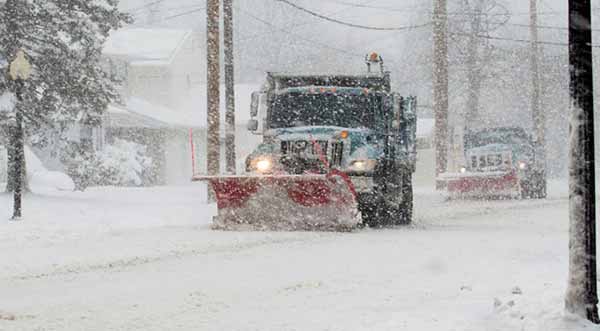
A winter storm during the first week of February in the U.S. brought down hundreds of trees and power lines, leading to blackouts in several places. Utility companies said it would likely take days for electricity to be restored to all homes. In Portugal, unseasonal drought has led the government there to curtail the operation of hydropower facilities, out of concern that there may not be sufficient drinking water available.
Winter storm leaves thousands without power supply
Following a severe winter storm during the first week in February, more than 300,000 U.S. households were without power supply as snow brought down power lines across several states.
Memphis’ state utility, Memphis Light, Gas, and Water, reported more than 100,000 of its customers were without power over the weekend, but said debris from the storm needed to be cleared before it could set to work on restoring power connections.
Meanwhile, the National Weather Service warned Americans of the danger of hypothermia and the need to protect themselves from it.
Employees of the Memphis public utility worked very long shifts in an effort to clear the debris, which included more than 200 fallen trees. However, on day 6 of the outage the Memphis utility had fallen short of its goal to restore power to 90% of customers.
The snow storm dumped as much as 17 inches of snow and ice in some states, including New York, Maine, and Vermont. More than 250,000 homes and businesses were left without power, primarily in Tennessee, New York, and Ohio.
New York’s governor mobilized the National Guard to support the recovery efforts.
In February last year, a major snow storm left millions without electricity and led to hundreds of deaths when the Texas grid buckled under the winter onslaught. However, Texas authorities said the grid has held up under this year’s snow storm and the current power outages are mostly due to fallen or otherwise compromised transmission lines.
Portugal Curtails Hydropower Because of Drought
Portugal has directed some of its hydropower facilities to stop using water for power generation as it’s experiencing a severe drought this winter.
Portuguese government officials say water use must be prioritized to ensure humans have an adequate drinking water supply for the next two years. The country is experiencing significant drought conditions in almost half of its territory because of low rainfall over the past few months.
Sixty hydropower facilities provide about 30% of the electricity used each year in Portugal. Five of these in the center of the country are being almost totally shut down. One in the south has been ordered to halt irrigation, even as farmers express concerns about the effect the drought will have on their crops and livestock.
Portuguese authorities say the hydropower facilities that remain in operation are sufficient to adequately meet the country’s electricity needs.
Detroit to Build Road That Charges EVs
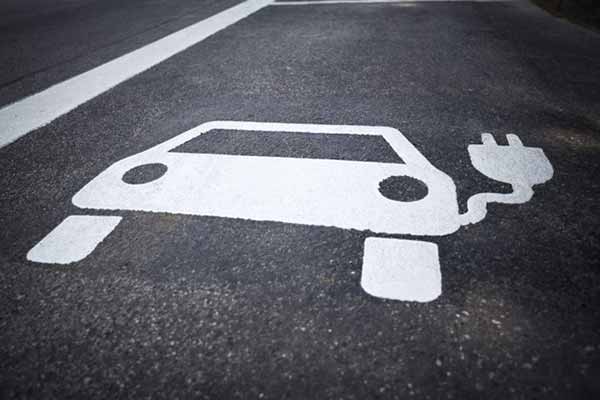
A one-mile road in Detroit that will charge EVs as they drive over it by sending magnetic frequencies, has been commissioned by the state of Michigan.
The Israeli company awarded the contract, Electreon, will build the wireless charging system. It features coils placed securely in the pavement that send power to specially fitted charging pads on EVs. When electric vehicles, including buses, drive over the stretch of road, the wireless system charges them. The system doesn’t affect gas-powered vehicles.
Michigan is providing just under $2 million toward the project, while Electreon will bear the remainder of the cost for deploying the infrastructure, which is expected to begin operating next year.
The EV’s special charging pads now cost around $4,000, but Electreon is hoping to see that price fall to under $2,000.
The market for wireless EV charging systems is expected to be worth more than $200 billion by 2030. The issue of EV charging has been an obstacle for many car owners, with one report showing that about 20% of EV owners revert to using gas-powered vehicles because of frustrations over keeping the EV powered.
Electreon Wireless has already rolled out its technology in Israel and Sweden.
Europe used more coal in 2021
The use of coal for power generation grew substantially in Europe in the latter part of 2021, as gas prices rose steeply.
An International Energy Agency report said that Europe increased its use of coal by more than 10% in late 2021, as many countries switched from gas power in the wake of reduced supplies of gas accompanied by price hikes.
A report from Ireland said that gas remained the primary source of electricity generation for that country in 2021, but the use of coal for power also grew substantially. The report noted that whereas coal was used to generate only 5% of that country’s electricity in 2020, in 2021 coal made up more than 10% of the country’s energy mix.
Gas Networks Ireland has expressed the desire that more gas-powered plants be established to replace those fired by coal, in the interests of reducing harmful emissions.
Meanwhile, the French government is permitting greater use of coal for electricity production to offset deficiencies in the gas supply and ensure that French households can stay warm during the winter.
Bill to Protect Use of Natural Gas Fails
The Colorado legislature voted against a Republican-sponsored bill to protect the rights of the state’s residents to use natural gas in their homes and businesses.
The veto came about two months after that state experienced its worst fire in history that left about $500 million in damage in its wake. The conflagration spread quickly due to grasslands that had become intensely dry because of drought.
The proposed bill was meant to ensure consumers had affordable choices for cooking and heating, those who supported it said. However, opponents said it was another attempt to protect the interests of the fossil fuel industry.
The proposed bill also contained provisions for protecting the use of solar power, micro wind turbines, and hydroelectricity for domestic use, but these were considered an attempt by opponents to camouflage the bill’s true intent — to safeguard the market for fossil fuels.
Places in California have banned the use of gas in new buildings, and Washington may do so by 2034.
In contrast, the Kansas legislature has enacted a law that prohibits any action designed to limit or stop the use of natural gas.
British Brace Themselves for Steep Rise in Energy Bills

British households are expecting a steep increase in their energy bills when the U.K.’s energy regulator raises the ceiling limiting how much energy suppliers can charge customers.
The U.K.’s energy regulator, in response to requests made by energy suppliers hard hit by soaring gas prices, will raise the cap on energy prices, effective in April.
The higher ceiling for energy prices is expected to affect more than 20 million British households, with some expected to pay more than 600 pounds extra annually. The price cap will be further adjusted upward during the winter months, which is expected to increase consumers’ energy bill by an additional 400 pounds.
These increases come at a time when U.K. residents are already faced with record-high inflation. However, numerous energy firms were forced out of business because of the cap on energy prices that prevented them from operating profitably as gas prices soared.
The U.K. government has been looking for ways to ease the strain for citizens and announced that it would provide a discount to each household on their energy bill beginning in October, which homeowners would subsequently repay in equal yearly increments over five years.
The discounts would be funded through a government loan worth several billion pounds to energy firms, which is money the companies would apply to consumers’ bills.
Self-employed people and small-business owners have expressed the fear that the rise in energy costs will force them out of business.
Ugandan Oil Project Will Go Ahead
Total Energies announced that a final investment decision has been made on an oil pipeline project in Uganda that was opposed by many because of its potential harmful impacts, and the project will proceed.
The project, which involves the building of a 1,443-kilometer (896 miles) pipeline to move oil from Uganda to Tanzania’s ports for export, will require billions of dollars to construct.
Communities in the area have opposed the project because of the detrimental impacts they expect it will have on their ecosystems, drinking water, and way of life. Total has denied there will be any damage and said that everyone will prosper as a result of the investment.
The company has, however, faced considerable difficulty in convincing investors that the project is a good idea, and numerous banks and insurance companies have turned down its request for financing.
Total said it now has the funding for the project, but has refused to disclose where the funds are coming from.
Opinion writer: Jewel Fraser
The opinions, beliefs, and viewpoints expressed by the various authors do not necessarily reflect the opinions, beliefs, or viewpoints of Interactive Energy Group, LLC (IEG) or its parent companies or affiliates and may have been created by a third party contracted by IEG. Any content provided by the bloggers or authors are of their opinion and are not intended to malign any individual, organization, company, group, or anyone or anything.
Brought to you by energysavings.com
All images licensed from Adobe Stock.
Featured image: