
Key Takeaways
- Federal, state, and local energy bill assistance programs can help low-income and at-risk households pay their utility bills.
- These programs generally have strict eligibility requirements, including income and age limitations.
- Taking advantage of the educational resources these programs offer on energy efficiency can help you save on energy and keep your energy bills affordable.
Energy costs can be a major drain on household budgets, and this will only get harder as electricity rates continue to rise. For folks with moderate to low incomes, paying energy bills can become an overwhelming burden that requires sacrificing elsewhere to keep the lights on.
Fortunately, energy bill assistance programs exist to help those in need. These programs give struggling households financial assistance, discounts, and other resources to help reduce the pressure of high energy bills.
Below, we’ll discuss what energy bill assistance programs are, who qualifies for them, and how to apply. We’ll also explore various types of programs available at the federal, state, and local levels as well as programs specifically for seniors and disabled individuals.
Enter your ZIP Code and compare electricity rates
What Are Energy Bill Assistance Programs, and Who Qualifies for Them?
Energy bill assistance programs are crucial in helping vulnerable households retain access to essential energy services. While many of these programs offer direct payment assistance, many are focused more on education and managing budgets.
Keep in mind that many of these programs have strict requirements to enter them. Of course, income is a major qualifier, as these are intended for moderate- to low-income households. On top of household income, these programs may also consider household size, energy use, and geographic location. These qualifications help ensure those that are most in need are directly benefiting.
Because energy bill assistance programs are generally localized, the exact qualification requirements will vary based on the cost of living and poverty levels in your area. For example, to qualify for the Low Income Home Energy Assistance Program in Florida with a four-person household, the total household income must not exceed $46,800 before taxes. In California, on the other hand, the same household can earn up to $73,156 before taxes.
Energy bill assistance programs also frequently work with local community organizations and government agencies to broaden their audience and maximize the support they can offer. These partnerships give the program additional resources, such as energy-efficiency education, weatherization assistance, and referrals to other social services.
These utility-assistance programs address immediate financial needs to prevent electricity disconnections and promote long-term energy sustainability so they can help build resilient and equitable communities for many years.
What Types of Federal, State, and Local Energy Bill Assistance Programs Are Available?
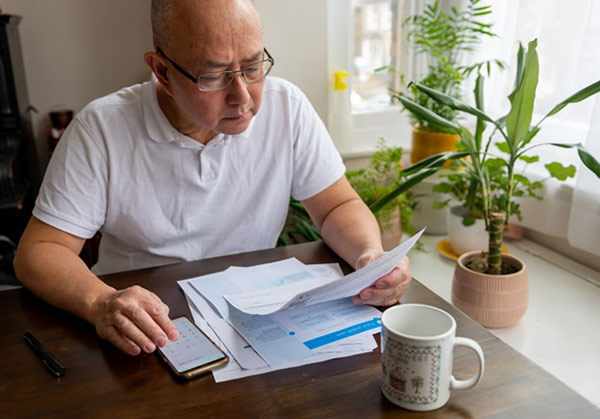
You can find energy bill assistance at various government levels — federal, state, and local. Looking into all levels can help maximize your savings by combining them where possible.
Federal Programs
The Low Income Home Energy Assistance Program (LIHEAP) is federally funded by the Department of Health and Human Services, though it’s technically administered state by state.
LIHEAP offers financial assistance to help save on energy costs for low-income households. Because LIHEAP goes state by state, the requirements will vary, but you can find your state’s requirements on the LIHEAP Crisis webpage.
LIHEAP doesn’t directly pay energy bills in all cases. To receive direct payment for utility bills, you must be in what the program considers an “energy crisis.” A crisis is when a household cannot afford their energy bills and:
- A household member could be in danger due to an energy crisis
- A state- or federally-declared disaster or emergency negatively impacts a household
- Someone under 18 lives in the household
LIHEAP also offers direct payments in certain months to help cover cooling costs as part of its State & Territory Cooling Programs. Again, each state has its own guidelines for income restrictions, payment amounts, and the months it offers payments.
Finally, LIHEAP offers a Weatherization Assistance Program that allows states to allocate up to 15% of LIHEAP funds to energy conservation measures in vulnerable households. Qualifying household weatherization may vary by state, but the Florida Weatherization Assistance Program includes things like:
- Upgrading insulation
- Repairing leaking weatherstripping
- Installing water heater wraps
- Repairing or replacing heating and air-conditioning systems
Keep in mind that some federal assistance programs may be one-time grants, whereas others may allow you to use them several times per year. For example, Florida’s LIHEAP program is limited to three uses per year.
State and Local Programs
State and local governments may have their own energy bill assistance programs. These programs will generally offer additional benefits or resources depending on local needs and funding.
For example, Texas has the Comprehensive Energy Assistance Program. This program includes all the elements of LIHEAP and provides direct bill payment for up to eight of the highest energy bills per year for non-vulnerable households and 12 bills for vulnerable households.
Contact your state’s Department of Energy or equivalent agency to find out what programs it has available.
Utility Company Programs
Utility companies have a vested interest in keeping you paying your bills, so some offer energy bill assistance programs to struggling customers. Some options they may have include:
- Discounted rates
- Payment plans
- Energy efficiency upgrades
- Fixed monthly bills
These plans will vary greatly depending on your local utility provider. Reach out to them to see what programs are available for you.
Enter your ZIP Code and compare electricity rates
How Can I Apply for Energy Bill Assistance Programs?
It’s fairly straightforward to apply for energy bill assistance if you meet all the requirements, and the first step is to gather the required documentation, which typically includes:
- Proof of income
- Identification
- Utility bills
- Social Security numbers
With all the necessary documents at hand, contact the energy assistance program office or visit their website to obtain an application form. These programs also typically offer assistance with the application process, so reach out to them for help if needed.
Most energy bill assistance programs have specific eligibility criteria beyond just income requirements. For example, programs may prioritize assistance for households with young children, elderly individuals, or individuals with disabilities. Check the program guidelines to see if you meet all the eligibility criteria and what proof you need before applying.
After submitting your application, processing time varies depending on the program and the volume of applications they receive. It’s a good idea to follow up with the program office to ensure they’re processing your application and to provide any additional information they need.
Keep in mind that each program may have certain nuances, but the bulk of them should follow a process similar to what we outlined above.
Are There Specific Energy Bill Assistance Programs for Seniors or Disabled Individuals?
Yes, there are plenty of energy bill assistance programs specifically for seniors and disabled individuals available.
These programs recognize these groups often have unique needs and challenges when it comes to energy bills. For example, the Emergency Home Energy Assistance for the Elderly Program in Florida provides help for energy-related costs in low-income households with at least one person aged 60 or older in it. Additionally, some programs may be available that provide resources and support to upgrade homes of the elderly or those with disabilities to improve energy efficiency and reduce costs.
Some energy bill assistance programs for seniors or disabled individuals may also offer personalized energy audits. In these audits, a professional visits the home and assesses their energy usage then provides tailored recommendations for reducing energy consumption to save on their bills. This approach helps identify specific areas where the household is wasting energy and empowers individuals to make informed decisions about their energy usage.
How Can I Find Out if My Utility Company Offers Energy Bill Assistance or Discount Programs?
Many utility companies offer aid for home energy bills for those in financial need. If you’re unsure whether your utility company offers this type of lifeline, the best place to start is by contacting them directly.
Many utility companies have dedicated customer service representatives or hotlines to provide information about available programs and eligibility criteria. Another place to check for this information is on the utility company‘s website. Here, they often provide details about energy assistance programs and their eligibility requirements, such as age or income limits.
Local government offices and community outreach organizations may also have resources and information about available programs in your area.
Energy bill assistance programs can vary widely depending on your location and the utility company you work with. Some programs may base their help on your household income, while others may limit their assistance to only times of extreme weather conditions.
On top of direct financial assistance, many utility companies also offer energy efficiency programs. These programs educate households about energy conservation and can help you lower your energy bills. They may also provide incentives for upgrading to more energy-efficient appliances or making home improvements that reduce energy consumption.
How Do Energy Efficiency Programs Complement Energy Bill Assistance Efforts?
Energy bill assistance programs are wonderful aids when you need them, but they shouldn’t be relied on for sustainability. Rather they are temporary assists to keep you on your feet in a time of need. Energy efficiency is the path to true sustainability.
Energy efficiency programs focus on long-term solutions to reduce energy consumption and lower energy costs. These programs include helpful items, such as energy audits, rebates, and incentives, to encourage individuals and households to become more energy-efficient.
This can lead households to reduce their energy bills and overall environmental impact, creating sustainable savings on their energy bills instead of relying on direct payments.
Keep the Lights on With Energy Bill Assistance Programs
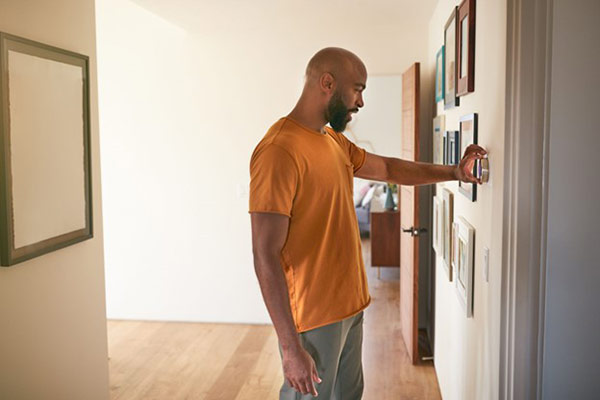
Energy bill assistance programs are vital in helping low-income individuals and families overcome the challenges of high energy costs. These programs give households the financial aid they need to get through a tough time and offer resources to help alleviate the burden of future energy bills.
Programs are available at a range of levels, including federal, state, or local. Even the utility companies themselves sometimes offer assistance for their customers.
And while these assistance programs help keep the lights on for now, enrolling in more educational resources can help with sustainability. Many programs offer courses and services that help low-income homeowners and renters learn how to conserve energy and keep their energy bills affordable.
Brought to you by energysavings.com
All images licensed from Adobe Stock.