
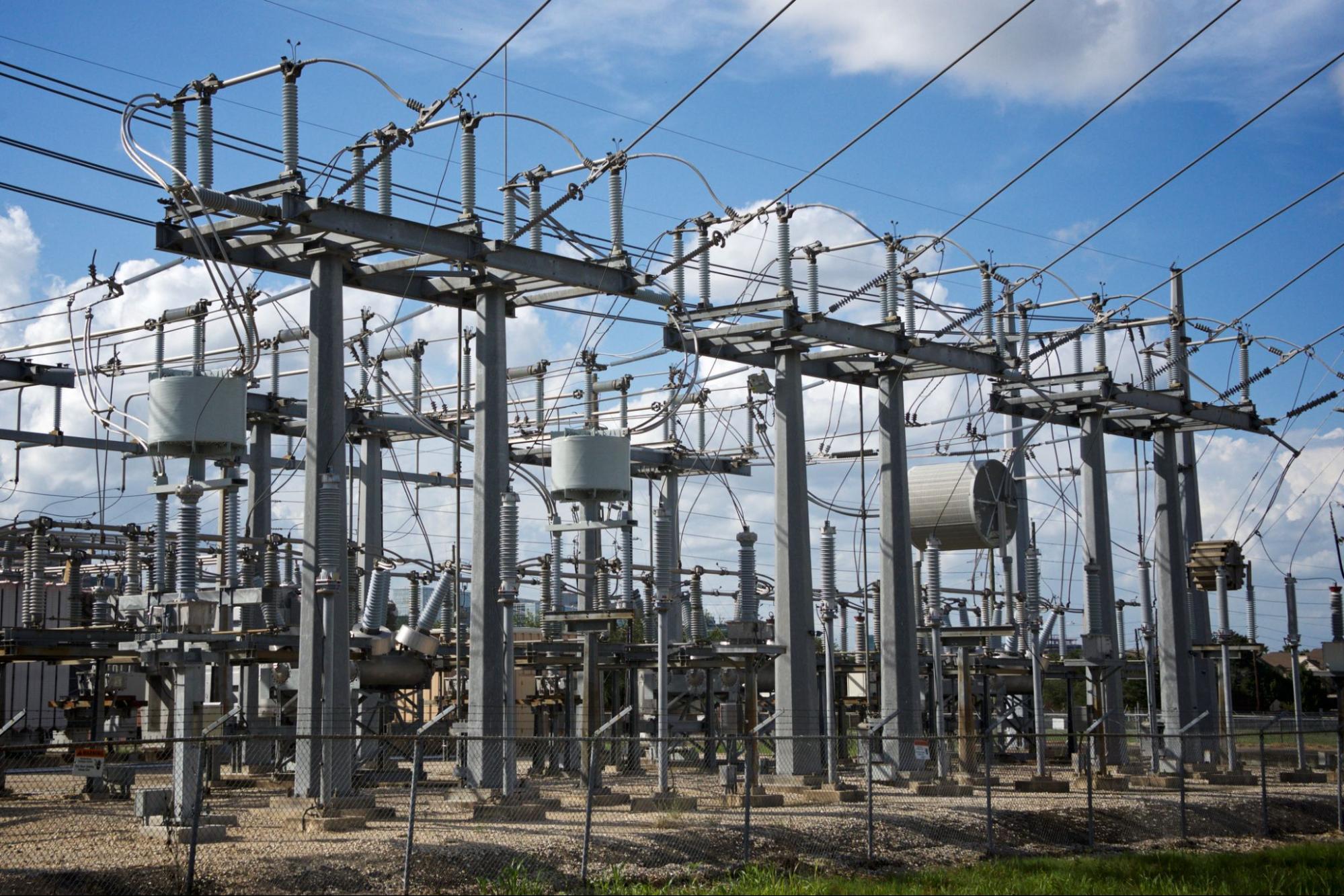
Texas is the only state in the lower 48 with its own separate power grid. The state’s large natural gas reserves and expanding wind and solar energy make it possible for Texas to run its own electric grid.
So why does Texas have its own power grid? How does it work, and what does that mean for homeowners? Here’s how the Texas power grid operates.
Texas Power Grid Explained: Who Does What in the Texas Electricity System
In Texas’s deregulated electricity market, three different types of companies have separate jobs: power generators, transmission and distribution utilities, and retail electric providers. Generators make the electricity, TDUs deliver it, and REPs sell energy plans to customers. In regulated parts of Texas and most other states, one utility company does all three jobs.
Here’s a closer look at who does what in the Texas electric grid and system.
Power Generators
Power generators own natural gas, wind, solar, nuclear, and coal power plants. They sell electricity into ERCOT’s wholesale market.
Transmission and Distribution Utilities
Transmission and distribution utilities (TDUs) own and maintain the equipment and infrastructure that deliver power to your home. During a blackout or downed power line, your utility company is responsible for repairs.
Learn more about utility companies vs. energy providers.
Retail Electric Providers
A retail electric provider (REP) is the company you buy your home’s energy from. REPs typically offer a range of fixed- and variable-priced plans, with contracts that are month-to-month, short-term, or long-term. Many also offer time-of-use (TOU) plans that provide free energy at certain times of day in exchange for higher rates during peak hours. You contact your REP for questions about your energy plan or billing.
The PUCT rates REPs to help consumers compare companies.
Shopping for a new plan? Explore our list of the best Texas electricity companies.
Regulation in Texas
The Texas Legislature makes the rules for the state’s electricity market. The PUCT enforces these rules and oversees ERCOT. It also approves TDU fees and licenses REPs to sell electricity to customers.
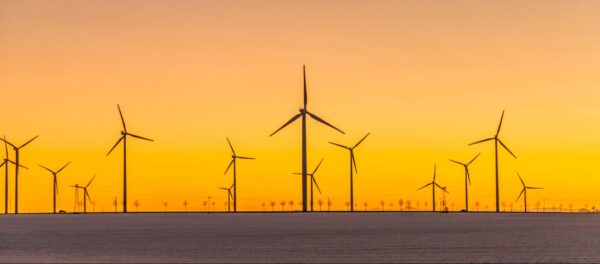
Why Texas Has Its Own Power Grid
Texas’s decision to operate its own power grid has always been intentional. By keeping the grid mostly within state lines, Texas avoids federal jurisdiction and maintains operational autonomy.
The Federal Power Act of 1935 made electricity crossing state lines subject to federal regulation. Today, the Federal Energy Regulatory Commission (FERC) oversees interstate electricity transmission and wholesale energy markets across the country. In Texas, however, the Public Utility Commission of Texas (PUCT) and the Texas Legislature govern the state’s energy market.
By keeping its grid mostly within state lines, Texas retains control over wholesale rates, transmission rules, and market design. In 2002, for instance, Texas launched a deregulated retail energy market, separating retail energy providers from utility companies. This move increased competition and consumer choice.
ERCOT Explained: What ERCOT Is and What It Controls
ERCOT, the Electric Reliability Council of Texas, is a nonprofit that operates the grid as a neutral party. This type of organization is called an Independent System Operator (ISO). Other states, like New York (NYISO), have their own ISOs.
Because of how ERCOT works, its job coordinating the grid consists of:
- Deciding which power plants run and how much energy they produce.
- Facilitating wholesale transactions between power plants and retail electric providers (REPs).
- Making sure the grid’s supply matches consumer demand.
- Issuing alerts when the grid’s energy supply is strained.
- Tracking meter data so that retail providers bill customers accurately.
How ERCOT Balances Supply and Demand in Real Time
It’s important to balance how much electricity is made with how much people use, since electric grids can’t store large amounts of energy. Here’s how ERCOT keeps supply and demand in sync throughout the day.
- Forecasting Demand: ERCOT uses weather forecasts, historical data, and computer modeling to estimate how much electricity Texas will need in the hours and days ahead.
- Scheduling Generation: Using this data, ERCOT tells power generators how much electricity to produce. Current wholesale prices determine which generators are called to run, with the most expensive activated only when demand exceeds what cheaper plants can supply.
- Reliability Tools and Conservation Alerts: ERCOT uses reliability tools and an alert ladder system to keep the grid stable when demand exceeds capacity. These tools include backup power reserves and weatherization requirements for power plants.
ERCOT alerts signal system-wide stress and are not specific to individual neighborhoods. You may see these alerts on the news:
- Weather Watch: An advisory that doesn’t require action.
- Conservation Appeal: Request for Texans to voluntarily reduce usage.
- Energy Emergency Alert (EEA) Levels 1, 2, 3: Formal emergency alerts. EEA 3 includes controlled rotating outages to prevent a statewide blackout.

Two Decades of Expertise
With 20+ years of experience in Texas, we’re experts at helping you find the right electricity plan!
How Texas Connects to Other Grids Through DC Ties
Texas’s grid is unique because most of it runs inside the state, with only a few connections to other grids using DC ties. A DC tie is a special link that uses converter stations to transfer electricity between Texas and nearby grids. These stations are usually near the state borders.
Through DC ties, AC power from neighboring grids is converted into DC power. Then, Texas power converters convert the power back to AC to add to the grid.
This workaround allows Texas to trade small amounts of electricity with neighboring grids without forcing the two grids to operate as a single, synchronized system. Doing so would make Texas subject to FERC regulations.
Texas also benefits because it can trade a limited amount of electricity when it’s cheaper to buy than to generate its own. However, the amount of power traded isn’t enough to prevent power grid emergencies, which is why Texas sometimes experiences widespread outages.
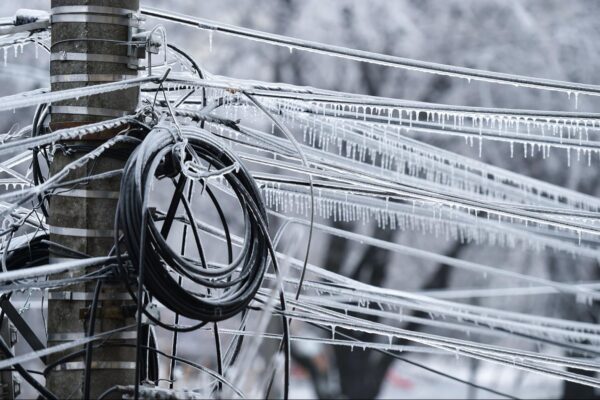
How Electricity Moves From Power Plant to Your Home
Electricity travels from the power plant to your home in Texas much like it does in other states. In regulated states, one utility does everything, but in most of Texas, different companies handle each step. Here’s how the Texas power grid works.
Generation
Power plants convert fossil fuels and renewables into electricity. ERCOT decides which plants run based on cost and grid needs, prioritizing the least expensive sources first.
High-Voltage Transmission
Once electricity leaves a power plant, it’s converted to high voltage so it can travel efficiently across long distances with minimal energy loss.
Local Delivery and Distribution
TDUs lower the high-voltage electricity at substations and send it to neighborhoods through distribution lines, like the ones you see on poles along the street. A transformer near your home brings the voltage down to 120/240V so you can use it safely.
Billing and customer choice in deregulated areas
The vast majority of ERCOT’s customers are in deregulated energy areas and can choose their best REP and energy plan. REP energy bills include both the total cost of your electricity consumed during the billing period and the TDU delivery charge. While you can shop for electricity rates, TDU fees are the same for everyone in your neighborhood.
Energy Resources at Your Fingertips
Make informed decisions and choose the best electricity plan for your home or business.
Texas Grid vs. National Grid: Why the Texas Grid Gets So Much Attention
The Texas grid often makes headlines because its self-contained system is more easily strained by extreme weather and rapid population growth. The resulting blackouts, sometimes widespread, can throw the state into crisis and land it in the news.
Weather Extremes and Reliability
Winter Storm Uri in February 2021 caused multi-day outages. According to FERC’s final report on the storm, more than 4.5 million people in Texas lost power, some for as long as four days. It caused nearly 250 people to die and billions of dollars in damage. Many reforms followed, but Texas’s system remains vulnerable to cold snaps and heat waves that set new records for demand.
Growth in Demand from Population and Data Centers
ERCOT demand is rising rapidly, with the EIA forecasting quadruple the energy demand by 2032. Texas’s population is expected to grow by millions in the next decade, increasing energy demand. Data centers, AI computing, and crypto mining have also exploded in Texas. All consume enormous amounts of electricity, putting fresh strain on the grid.
What a Grid Emergency Means for Households
A statewide grid emergency can trigger the ERCOT alert system to prevent and uncontrolled blackout. However, not all outages are ERCOT-related; many are caused by local TDU problems, storms, or equipment failures.
What Texas Homeowners Should Know
As a Texas homeowner, there are a few practical things to know about how the grid affects you.
Who to Call for Outages
If the power goes out in your neighborhood, your utility company is the first to contact. Check your energy bill to find which utility serves your area. The four largest are:
- Oncor (DFW and North Texas)
- CenterPoint (Houston area)
- AEP Central (Central and South Texas)
- AEP North
- TNMP (smaller pockets)
- Lubbock Power & Light
Many utilities have dedicated numbers or web pages to report outages. Check your utility’s “Contact Us” page and save the outage-report number in your phone.
How Grid Conditions Can Affect Rates and Plan Choices
Wholesale energy prices can soar when the grid is under stress, reaching $9,000 per megawatt-hour ($9/kWh) during the 2021 winter storm Uri and leaving some residents with bills over $16,000.
Such price swings affect customers on variable- and indexed-rate plans. Fixed-rate plans lock in your rate for the length of the contract. The best time to shop for electricity is when rates are average or lower, though contract end dates might limit your ideal window.
Ways to Lower Energy Use During Peak Periods
Periods of peak demand in Texas are usually 3 p.m. to 9 p.m. in summer and early mornings during winter cold snaps. You can help lower energy use during these times by:
- Pre-cooling or pre-heating your home before peak times.
- Changing thermostat temperature by a few degrees so your HVAC system runs less.
- Delaying laundry, dishwashing, or EV charging until off-peak times.
- Weather-sealing your home and adding attic insulation.
- Installing LED lighting and smart thermostats.

Plans that Fit Your Needs
Whether you're at home or running a business, find electricity plans designed to fit your needs.
FAQ About How the Texas Power Grid Works
What is ERCOT in Texas?
ERCOT stands for the Electric Reliability Council of Texas and is the state’s independent grid operator. This nonprofit serves over 27 million customers and 90% of Texas’s electric load. ERCOT ensures grid reliability, coordinates the wholesale and retail energy markets, and provides equal access to high-voltage lines for all power generators.
Why does Texas have its own power grid?
Texas has its own power grid to avoid federal oversight and keep electricity regulation under state law. The Public Utility Commission of Texas and the Legislature oversee ERCOT and set energy rules as long as power doesn’t cross state lines.
Who do I call when my power goes out in Texas?
Regardless of whether you live in a regulated or deregulated energy area, you call your utility company when the power goes out. Your utility is listed on your energy bill. Unlike your energy provider, utilities handle outages. Providers handle plan and billing questions.
Can the Texas grid buy power from other states?
Yes, Texas regularly imports small amounts of power from neighboring grids in the central U.S. and Mexico when it’s cheaper to buy than generate. However, these imports are too limited to serve as backup during emergencies. Converter stations at the border handle the AC-to-DC and DC-to-AC conversion, but they aren’t large enough to meet Texas’s needs during major events.