
Key Takeaways
- As their name implies, fossil fuels come from decomposing ancient matter subjected to heat and pressure for millions of years.
- While fossil fuels are a key part of human progress, they are responsible for a significant amount of the global warming and climate change we see today.
- Fossil fuels still have a place in our world, but transitioning to more renewable sources will greatly reduce their negative environmental impact.
Fossil fuels are an integral part of our modern society, but they also create numerous environmental challenges. They fuel many important items in our lives, from the electricity in our homes to the cars we drive. At the same time, they threaten the health and well-being of the world for future generations.
Below, we’ll explore fossil fuels, their environmental impact, and potential alternative energy sources. We’ll also discuss what technologies can help mitigate fossil fuels’ environmental impacts and the potential implications of shifting to other energy sources.
What Are Fossil Fuels and How Do They Form?
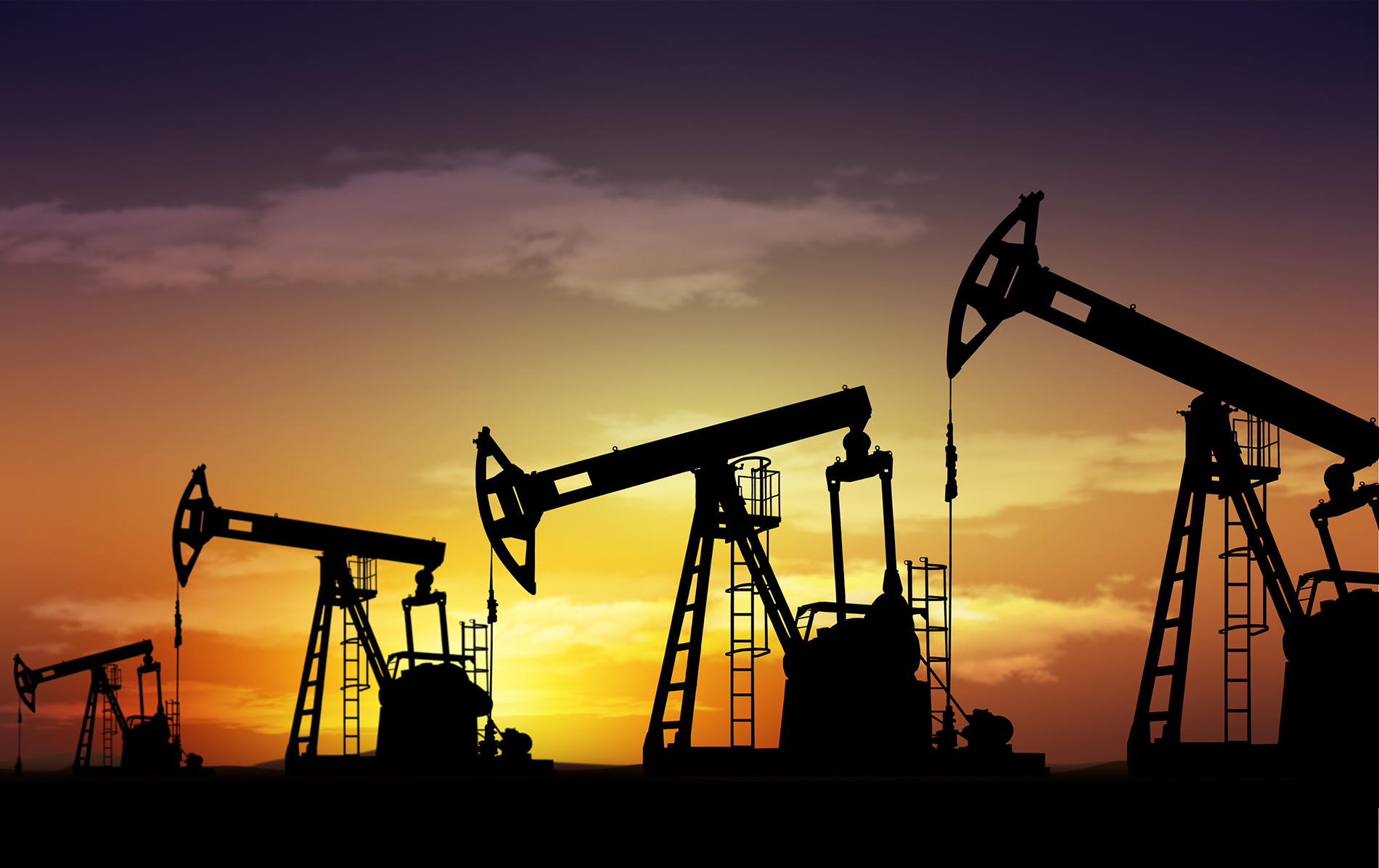
Fossil fuels are energy resources derived from ancient plant and animal remains. Over millions of years, this organic matter endures geological processes, such as heat and pressure. This transforms them into three key fossil fuel types: coal, petroleum (oil), and natural gas.
Plants that lived hundreds of millions of years ago in swampy forests eventually formed coal. As these plants decomposed and accumulated, they became buried deep within Earth’s crust, where heat and pressure transformed them into rock-like coal.
Oil and natural gas came from the remains of marine plants and tiny organisms that once occupied Earth’s ancient oceans. These organisms died and sank to the ocean floor, where layers of sediment eventually covered them. Through the course of millions of years of heat and pressure, these organisms eventually transformed into oil or natural gas trapped within rock formations.
How Do We Use the Three Main Fossil Fuel Types?

Coal, oil, and natural gas have distinct properties, which make each one suitable for different applications.
Coal
Coal, which remains one of our oldest sources of energy, falls into four main categories: anthracite, bituminous, sub-bituminous, and lignite.
Coal’s primary function is electricity generation. Power plants burn bituminous coal, sub-bituminous coal, or lignite to boil water and produce steam. This steam drives turbines that activate generators and create electricity.
Coal has other functions, too. For example, high-carbon-content coal like bituminous coal and anthracite can play a role in steel production. Some other uses for coal include producing:
- Cement
- Carbon fiber
- Foam
- Medicines
- Tars
- Synthetic petroleum-based fuels
- Pesticides
- Fertilizers
Oil
Oil, or petroleum, also has a wide range of uses. One of its primary functions is to fuel transportation, such as gasoline, diesel, and other fuels. It also plays a big role in heating and electricity generation. Of course, it’s also the base of many lubricants we use, such as engine oil.
Petroleum also functions as a raw material used to produce various chemicals, plastics, and synthetic materials.
Petroleum begins life as crude oil. After it’s drilled, the crude oil is refined, which separates it into various useful components, such as gasoline, diesel, and jet fuel.
Natural Gas
Natural gas’s primary uses are heating and cooking in residential and commercial buildings. Another primary natural gas use is as a fuel for power plants due to its relatively low carbon and greenhouse gas emissions compared to coal and oil.
Many industries also use natural gas, which is primarily methane, for various reasons, including as a raw material in feedstock, to make their products, and for electricity production.
Enter your ZIP Code and compare electricity rates
What Are the Environmental Impacts of Extracting Fossil Fuels?
Fossil fuel extraction can significantly impact the environment. None of the three main fossil fuel types are immune from these environmental issues.
Environmental Impact of Coal Mining
If you’ve ever seen a coal mine, you know that this process requires removing vast amounts of earth and rock. This disruption often destroys natural habitats and creates water pollution. Also, the machinery used to mine coal generally runs on fossil fuels, adding carbon emissions to the sky.
Environmental Impact of Drilling for Oil
Like coal mining, oil drilling uses up land resources, which can displace the plants and animals living in the area. This is an issue in both on-shore and offshore drilling.
Offshore oil drilling poses additional risks, including oil spills that can destroy marine ecosystems and have long-lasting environmental consequences. Even transporting petroleum carries the risk of accidents, such as oil tanker spills or broken pipelines leaking onto the land or into the water.
Environmental Impact of Extracting Natural Gas
We use hydraulic fracturing, or fracking, to extract natural gas. This process puts fractures into the rock formations below the earth’s surface, stimulating the flow of natural gas. This process requires large amounts of fluids to be pumped into the earth, leading to water contamination and risks to human health.
By nature, fracking creates small earthquakes, which are generally harmless. However, it’s also been linked to larger ones, such as an M4 earthquake in Texas. The wastewater disposal process from fracking involves injecting the wastewater into deep wells. This can also cause large earthquakes, such as an M5.8 earthquake in Pawnee, Oklahoma.
How Do the Environmental Impacts of Using Fossil Fuels Contribute to Climate Change?
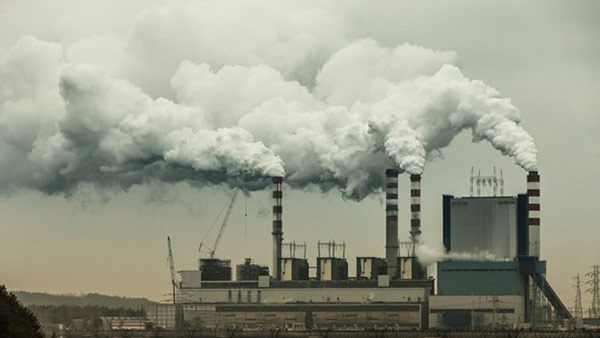
Burning fossil fuels releases carbon dioxide (CO2) and other greenhouse gases (GHGs) into the atmosphere. Over time, GHGs trap heat, creating the greenhouse effect. It’s this greenhouse effect that leads to global warming and climate change.
All fossil fuels release GHGs when burned, but coal is particularly carbon-intensive. This makes it a significant contributor to CO2 emissions.
As the concentration of GHGs in the atmosphere increases, it leads to rising global temperatures. This results in melting glaciers and ice caps, rising sea levels, increased extreme weather events, and disruptions to ecosystems.
What Technologies Can Reduce the Environmental Impact of Fossil Fuel Use?
Various technologies can help mitigate the environmental impact of fossil fuel use. Here are some of the more impactful ones.
Combustion Technology Advancements
One way to reduce the impacts of fossil fuel use is to improve the efficiency of energy production and consumption, reducing the overall amount of fossil fuel required. We can attain this with combustion technology advancements, such as developing more efficient turbines and engines. An example of this we see on the roads every day is vehicle hybridization. Combining electricity and fossil fuel power makes these vehicles rely less on gasoline.
Carbon Capture and Storage
Carbon capture and storage (CCS) is another great technology that can help. Carbon capture collects CO2 emissions from power plants and stores them underground. This prevents them from reaching the atmosphere.
CCS works by capturing carbon dioxide before it leaves the smokestacks. The captured gas is then compressed into a liquid and injected into underground geological formations.
Renewable and Green Energy
Renewable energy sources, which include solar, water, and wind power, can also limit fossil fuel use’s impact on the environment.
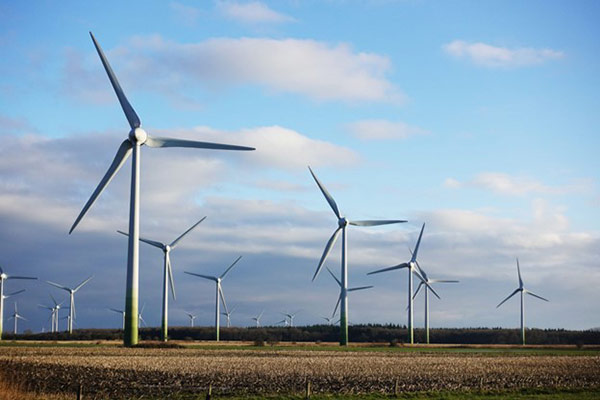
These clean energy technologies can generate electricity with zero greenhouse gas emissions, helping to combat climate change. For example, solar power can harness energy from the sun, while wind turbines generate power from the kinetic energy created by blowing winds.
By investing in renewable energy infrastructure and shifting away from fossil fuels, we can limit our reliance on environmentally harmful energy sources.
Enter your ZIP Code and compare electricity rates
What Are the Potential Alternatives to Fossil Fuels for Energy Production?
Alternative energy sources have come into their own recently as viable substitutes for fossil-fuel-generated energy production. We already discussed solar power and wind power above. These are more localized options, as solar panels and wind turbines are generally for single homes or small communities.
Let’s review some larger-scale fossil fuel alternatives that can outright replace fossil fuel power plants at some point.
Bioenergy
Bioenergy is when we burn biomass — organic materials, including agricultural waste and dedicated energy crops — to produce energy. This provides an alternative to fossil fuels. We can use bioenergy in various ways, including electricity generation, heating, and transportation.
While bioenergy releases carbon from the biomass we burn, that CO2 is then absorbed by the growing plants that will become future biomass. This makes bioenergy a near-carbon-neutral energy source.
Hydropower
Hydropower is renewable energy created by moving water that activates turbines that spin energy-producing generators. This energy source is highly flexible and scalable. It’s also the largest renewable energy source in the world.
Geothermal Energy
Geothermal energy, harnessing heat from beneath the Earth‘s surface, is another great alternative to fossil fuels. To leverage this renewable energy production option, we must tap into the Earth’s natural heat reservoirs to generate electricity and heat buildings. We can do so by drilling deep into these hot pockets of water. Then, that hot water or its steam flows toward the surface, activating turbines that drive generators to create electricity.
Geothermal energy is a clean and sustainable option with minimal greenhouse gas emissions.
Nuclear Power
Nuclear power is a potentially huge alternative to fossil fuels, but it has lots of challenges and controversies.
Nuclear power plants use nuclear fission — splitting atoms to release their energy — to generate electricity. Nuclear power emits very little carbon compared to traditional power plants. They work by transmitting heat generated by nuclear fission to fuel rods. As the fuel rods heat up, they cause water to boil and release steam. The steam then spins turbines that activate generators to create electricity.
This all sounds great, but legitimate concerns about safety, radioactive waste disposal, and potential nuclear accidents exist. These concerns have led to debates about whether or not nuclear power is a long-term option.
How Does the Transition From Fossil Fuels Impact Job Markets and Economies?
Fossil fuels are a huge market and one of the major employment sectors worldwide. So, transitioning away from fossil fuels can potentially impact millions of workers. However, as we shift to renewable energy, the demand for workers there will potentially increase at a similar rate. The renewable energy sector will need a wide range of skilled workers to handle the manufacturing, installation, operation, and maintenance of these systems.
This transition would certainly lead to job losses in the fossil fuel industry. These workers can undergo retraining and support to learn new roles in renewable energy. The initial shift could be a tough road, but over time, it can stimulate economic growth, enhance energy security, and put energy production squarely in our hands — no more relying on fossil fuel imports for our energy.
Fossil Fuels Have Shaped Our World, But We Need a Shift
Human progress has relied on fossil fuels for centuries, but using them includes significant environmental and climate concerns. By grasping the formation and impact of fossil fuels, we can better understand the need to adopt sustainable and renewable alternative energy sources. This transition to renewable energy has challenges and opportunities that require retraining, collaboration, and innovation to build a cleaner energy future for generations to come.
Brought to you by energysavings.com
All images licensed from Adobe Stock.