
Key Takeaways
- The transition to electric vehicles and heating systems could overwhelm power grids and potentially cause blackouts if not properly managed.
- Electric utility companies can offset demand spikes by expanding their renewable energy sources to support the grid during peak demand hours.
- Homeowners can reduce strain on the electrical grid by implementing energy-saving measures and adding solar panels to their homes.
As much as we may grumble at how electricity prices rise and fall, they are actually among some of the most stable energy prices. Plus, we have numerous ways to offset price fluctuations through renewable energy technology, such as solar panels and wind power.
But as we move toward more sources of electrification — think electric vehicles and electric heat — we will slowly put more strain on the energy grid. How do we prepare for the impact of electrification, and what can you do to help? We cover all that and more below.
Looking for a new electricity plan? Compare Texas energy providers.
How Does Electric Vehicle (EV) Adoption Impact Household Energy Consumption and Costs?
A transition to electric vehicles (EVs) would create a fundamental shift in household power consumption. Because EVs run solely on electric power, they can greatly influence how households manage their electricity bills. As the EV shift grows, we must understand and consider the increased energy demand and long-term savings potential.
When a household switches to an EV, they typically experience a notable change in monthly electricity consumption due to the power they use to charge the EV batteries. The average EV consumes 34.6 kWh per 100 miles driven, which significantly increases energy use for a family accustomed to gasoline-fueled transportation.
However, the money you save on gasoline helps offset this increased electricity consumption. Many EV owners will spend an average of $485 annually to charge their EVs compared to $1,117 for annual gasoline costs. Those savings only increase when household solar panels and other renewable energy sources are added.
What Are Some Practical Tips for Managing EV Energy Costs?
So, how can you offset the impact of electrification on energy costs? These tips should help:
- Home energy management systems: Installing a home energy management system (HEMS) can help boost EV charging These systems allow you to align EV charging times with low-electricity-demand periods when per-kilowatt-hour (kWh) prices are low. You can also have these systems prioritize charging when renewable energy is the most productive, such as mid-day if you’re running a solar panel system, minimizing the energy used from the grid.
- Electric company incentives: Some power companies have special EV charging rates that incentivize charging EVs during off-peak hours. Leveraging this can result in substantial electric bill savings. Also, by charging during off-peak hours, you’re reducing strain on the energy grid.
- Smart home technology: Integrating smart home technology into the equation can help minimize the impact of electrification. For example, smart EV chargers can work with your HEMS and find the optimal charging periods based on real-time energy prices and renewable energy
- Energy-efficiency home upgrades: You can also upgrade your home to make it more efficient, which can offset some of the increases from electrification. Some ideas include weatherizing your home, installing LED lighting, adding ENERGY STAR-certified electric appliances, and more.
What Does the Financial Impact of Electrification Look Like When Switching From Gas Heating Systems?
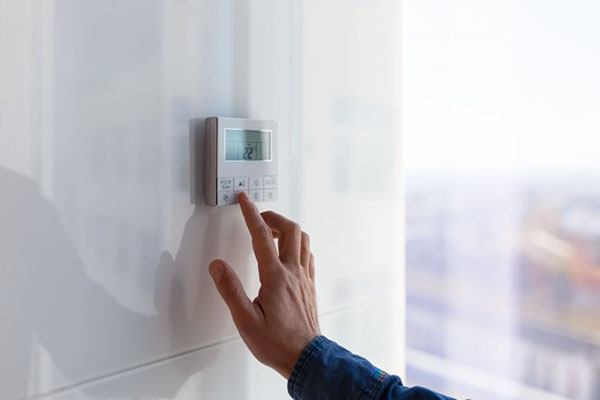
Switching from gas to electric heating is another example of household electrification. When you switch to more electric technologies, you may initially encounter higher upfront costs when you switch to an electric heating system, such as a heat pump or electric furnace. But over time, this can result in savings and benefits, such as:
- Lower operational costs: Electric heating systems often have lower operational costs, even in more natural-gas-friendly areas. Resistance-based electric heaters convert nearly 100% of their energy into heat. Heat pumps are even more efficient, converting at 300-400%. This is doubly true when you factor in renewable resources.
- Government incentives: You can also use government incentives for switching to an energy-efficient electric heating One such program is the 30% tax credit offered through the Inflation Reduction Act of 2022.
- Stable energy pricing: You must also consider gas price volatility, which can create an unpredictable situation for homeowners with gas heating. Gas price fluctuations can cause unexpected heating cost spikes, making budgeting difficult. While electricity prices can fluctuate, they tend to be more stable than natural gas. This stability can give homeowners a clearer understanding of their heating expenses, facilitating better financial planning.
- Increased home value: Some buyers prioritize energy efficiency and sustainability in their home searches, and homes already equipped with modern electric heating solutions are often more attractive to these shoppers, potentially leading to higher resale values.
How Can Charging an EV at Home Affect Overall Electricity Bills?
At-home EV charging can significantly impact your electric bills. However, the impact level will depend on various factors, such as:
- Local electricity rates: Electricity rates can vary significantly by location. The lower your rates, the less impact EV charging will have on your monthly electricity costs.
- Time of charge: For many homeowners, charging during off-peak hours can lead to considerable savings, as electricity rates are often lower.
As mentioned above, an EV uses about 34.6 kWh of electricity per 100 miles driven, and this energy must come from somewhere. Unless you have a solar EV charger or a rooftop solar system powerful enough to power your home and charge an EV without tapping into the grid, this power must come from your utility company.
How Do You Calculate Your EV Charging Costs?
You can quickly determine an EV’s impact on your electric bill by looking at the estimated miles you’ll drive monthly and multiplying every 100 miles by 34.6. Then, multiply that result by your average price of electricity per kWh to get the cost.
For example, you plan to drive 1,250 miles monthly and pay 15 cents per kWh.
- 1,250 / 100 = 12.5
- 12.5 x 34.6 = 432.5 kWh per month
- 432 kWh x 0.15 per kWh = $64.875 per month
So, you can estimate that the average EV will add $64.87 to your monthly electric bill. Of course, every EV has a different consumption rate. You can find each vehicle’s average kWh of electricity used per 100 miles on FuelEconomy.gov.
What Time-of-Use Pricing Strategies Can Help Minimize Costs for EV Owners and Electric Heating Users?
Some utility companies employ a time-of-use (TOU) pricing policy, meaning their per-kWh rates vary based on the time of day. The rising and falling prices throughout the day depend on the demand on the grid — the more demand, the higher the rate. Electricity companies use this pricing model to encourage consumers to shift their electricity usage to off-peak times.EV owners and electric heating users can use this pricing model to minimize energy costs.
What Smart Strategies Can You Use for Off-Peak Energy Use?
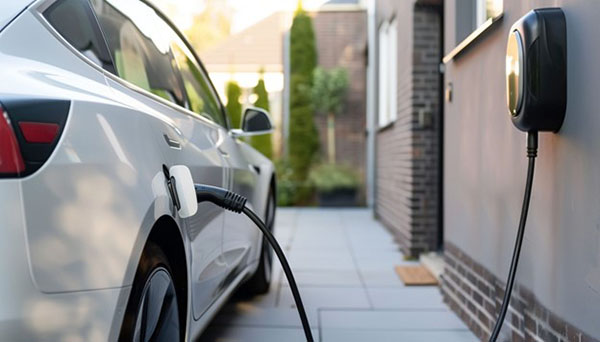
If you own an EV, you can schedule your charging times so you primarily fill up the battery during periods of low demand, typically overnight.
You can take advantage of this pricing structure if you have electric heat, too. Simply program your smart thermostat so your heating and air conditioning use the most energy during off-peak hours and less during peak times. This way, most of your heating- and cooling-based energy consumption will come during off-peak hours.
You also have a third option, which involves investing in an energy storage solution. This battery storage system allows you to store energy during low-demand periods and use it during peak hours. This is ideal for someone who works the night shift and has no choice but to charge their EV during peak hours.
What Potential Savings Can Be Achieved by Using Smart Chargers for Electric Vehicles?
Smart chargers can lead to substantial savings for EV owners. These devices allow you to optimize charging times and charging rates based on electricity costs and grid demand. So, you can leave your EV plugged in at all times, and the smart charger keeps the battery topped off while taking advantage of off-peak energy rates when possible.
Another advantage of smart chargers is they often include a mobile app, allowing you to monitor and control your charging from anywhere. This ensures you can take full advantage of low-rate periods or halt charging during high-cost periods.
Some smart charging solutions are also compatible with home solar systems, and you can program this charger to focus on charging when solar power generation is at its highest. This minimizes the power the charger pulls from the electricity grid, lowering your electric bill.
How Does the Increased Demand for Electricity From EVs and Electric Heating Affect the Grid and Energy Prices?
Widespread adoption of EVs and electric heating systems will significantly increase the electricity demand, which can put heavy stress on the electrical grid, especially during peak usage times. Electric companies would likely need to invest in infrastructure improvements to maintain reliability and capacity in the face of the increased energy demand.
An increase in demand would also push energy prices upward. However, with proper management, utility companies can mitigate these risks. They can Invest in renewable energy sources and improved grid technologies to help handle the increased draw on the grid.
You can also play a significant role in alleviating the stress on the grid in several ways, including:
- Adding solar power: A great way to relieve the stress on the power grid is to add solar panels to your home or invest in a solar-powered EV charger. This allows you to create your own energy to charge your EV during peak hours. You’d only tap into the grid at night when the demand is significantly lower.
- Using battery storage: We already mentioned using batteries to capture and store off-peak electricity for charging during peak hours. However, you can also combine batteries with your solar panel system and capture that energy for charging later or during the daytime if the weather conditions don’t favor charging via the solar panels.
How Can Homeowners Prepare for the Increased Electrical Load Associated With EV Charging and Electric Heating?
It’s not just the power grid that’ll endure additional stress during mass electrification. Your home will also endure more stress as you add EV charging and electric heating systems. To prepare for this, you first want to assess your home’s current electrical capacity by verifying that your existing electrical panel and wiring can support additional loads.
To complete this verification, you’ll want to consult with an electrician. Only a trained professional can accurately assess your home’s electrical capacity and determine whether it needs upgrades.
Some of the required upgrades may include installing a new electrical panel or additional circuits dedicated to your EV chargers or electric heating systems. You can also consider investing in energy-efficient appliances to reduce electrical demand from other systems in your home.
Enter your ZIP Code and compare electricity rates
What Are the Long-Term Financial Benefits of Transitioning to Electrification Compared to Traditional Energy Sources?
Transitioning to electrification has plenty of benefits, and that’s becoming increasingly clear as more households shift to electric vehicles and heating systems. Not only are these adopters shrinking their carbon footprints, but they’re also helping grow the economy of scale. As more people adopt new technology, it becomes more attainable to the masses because prices fall and technology continues to advance. This brings about more adoption, and the cycle continues.
While the initial investment in measures to support electrification — grid capacity and reliability, for example — will be considerable, the long-term savings and benefits will ultimately exceed those costs.
What Are the Operational Cost Savings?
One of the main benefits of electrification is the possibility of lower operational costs. Nearly every electric vehicle costs less than an equivalent gasoline vehicle, and electric heating systems have proven far more efficient than gas heat. Also, EVs and electric heating systems tend to have lower maintenance costs than their gasoline and natural gas counterparts, further lowering operational costs.
How Can You Get Return on Investment Through Renewable Energy?
Renewable energy sources, such as solar panels, combined with electrification efforts can further decrease long-term energy costs. You’re now creating your own energy and not relying solely on the power grid. And it becomes doubly beneficial when you add solar batteries to store excess energy for use when power generation is low.
Yes, solar panels come with a significant upfront investment. However, over time, you can earn a considerable return on your investment through reduced utility bills, government incentives, and the potential property value increases energy-efficient home improvements often cause.
What Is the Environmental and Sustainability Impact?
Combine the operational cost savings with the ROI and you have the most significant long-term benefit of electrification: reduced greenhouse gas emissions. Fewer gasoline-burning vehicles will be on the road, fewer homes will burn natural gas for heat, and more renewable energy will be adopted to reduce our demand for electricity generation from fossil-fuel-burning power plants and the carbon emissions they create.
Electrification Will Impact Energy Demand, but We Can Overcome It
The impact of electrification on the energy grid would be severe if there were a sudden mass adoption of EVs and electric heat pumps. However, with slow and steady adoption, electric utility providers can slowly upgrade their electricity systems and bring in more clean energy to help handle the demand. Also, households that adopt electrification can help by installing their own renewable energy systems and reducing their overall energy consumption in other ways.
A great side effect of all this electrification and upgrades to the energy grid is more renewable energy, which helps decarbonize electricity and slow climate change.
Energy Savings can help with this transition to electrification. We offer a range of electricity plans with the option to upgrade to 100% renewable energy, helping reduce your carbon footprint as you increase your reliance on electricity.
Brought to you by energysavings.com
All images licensed from Adobe Stock.